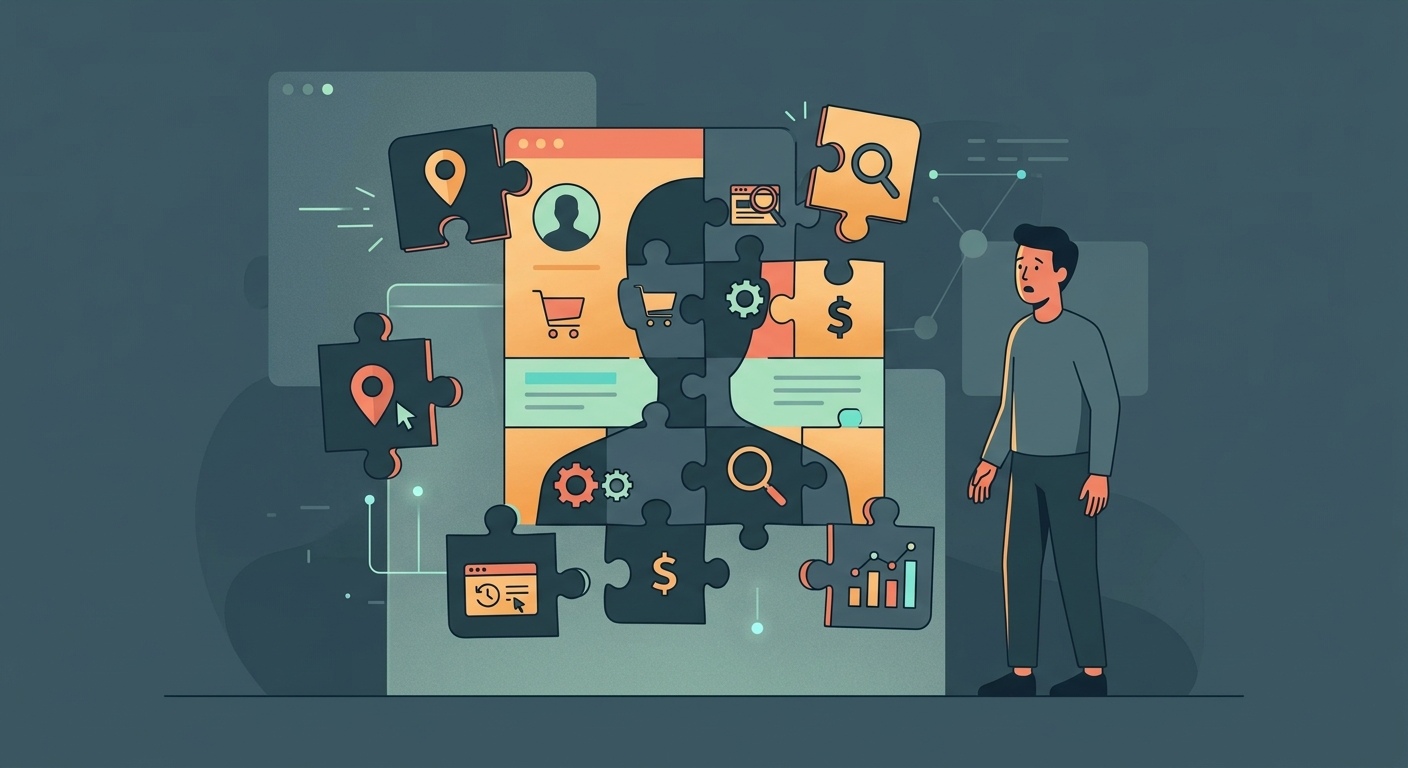
How Data Brokers Compile Your Digital Profile (And How to Stop Them)
You search for a specific medical symptom on a Tuesday. By Wednesday, your social media feeds are pushing ads for related supplements. A week later, you receive an email from a random company offering life insurance tailored to your exact age bracket.
Most people brush this off as the internet simply being "creepy," or assume their phone is listening to them. But the reality is far more systematic. There is no magic trick, and no one is sitting in a dark room listening to your microphone.
Instead, there is a multi-billion-dollar industry quietly operating in the background of your digital life. These companies are called data brokers, and their entire business model revolves around collecting, packaging, and selling your personal information.
If you use the internet, carry a smartphone, or even just own property, data brokers already have a file on you. Here is exactly how they compile your digital profile—and the practical steps you can take to stop them.
The Situation: What Are Data Brokers?
A data broker is a company that specializes in collecting personal information about consumers, aggregating that data into comprehensive profiles, and selling those profiles to other businesses.
You rarely interact with data brokers directly. They operate behind the scenes, pulling fragments of your life from hundreds of different sources. They piece together your name, address, age, estimated income, marital status, health interests, and browsing habits.
Who buys this data?
- Marketers and advertisers who want to target you with hyper-specific ads.
- Insurance companies assessing risk profiles based on consumer behavior.
- Financial institutions evaluating creditworthiness outside of traditional credit scores.
- Scammers and identity thieves who purchase cheap data lists on the dark web or through poorly secured broker portals.
To a data broker, you are not a person. You are a highly specific data set—perhaps categorized as a "Tech-Savvy Renter," a "Health-Conscious Expectant Parent," or an "Impulse Buyer."
Why It Happens: How They Collect Your Data
The most unsettling part about data brokers is that they rarely have to hack or steal your information. In most cases, it is legally gathered through channels you interact with every single day.
They build your profile using four main methods.
1. Scraping Public Records
Long before the internet, public records were the gold mine for data collection. Today, brokers use automated scripts to scrape these records at a massive scale. When you buy a house, get married, register to vote, or apply for certain licenses, that information enters the public domain.
Data brokers sweep up property records, court documents, census data, and DMV records. This gives them a rock-solid foundation of your real-world identity: your full name, past and present addresses, family members, and property values.
2. App Permissions and "Free" Services
If an app is free, you are the product. Weather apps, flashlight apps, mobile games, and budget trackers often sustain themselves by selling user data.
When you blindly tap "Agree" on a Terms of Service pop-up, you are often giving the app permission to harvest your location data, contact lists, and usage habits. Location data is particularly valuable. If a broker knows your phone sleeps in a residential neighborhood, travels to a corporate office park daily, and frequently visits a specialized medical clinic, they can infer your income, job, and health status without you ever typing a word.
3. Web Tracking and IP Addresses
Every time you browse the web, you leave a trail of digital breadcrumbs. Websites use tracking cookies and invisible tracking pixels to monitor which pages you visit, how long you stay, and what you click.
Your IP address acts as the anchor for all this activity. Because your IP address is a unique identifier assigned by your Internet Service Provider (ISP), trackers can use it to tie your anonymous browsing habits back to your physical household. If you browse a forum about debt consolidation without logging in, trackers can log your IP address, sync it with a data broker’s database, and suddenly your profile is updated with financial distress indicators.
4. Purchase History and Loyalty Programs
That grocery store loyalty card that saves you a dollar on coffee? It is essentially a physical tracking cookie. Retailers track your purchase history to understand your lifestyle, dietary habits, and spending power. Many retailers then share or sell this aggregated data to broker networks, who combine your offline purchases with your online profile.
The Risks: Why This Profiling Matters
It is easy to dismiss data collection if you believe you have "nothing to hide." But the risks of unchecked data profiling extend far beyond seeing ads follow you around the internet.
Price Discrimination
Data brokers help companies determine how much you are willing to pay. If your profile suggests you are a high-income earner or that you urgently need a product (based on recent search habits), you might be shown higher prices for airline tickets, hotel rooms, or software subscriptions compared to someone browsing anonymously.
Loss of Privacy and Stigmatization
Data brokers often create lists categorizing people by sensitive traits. There have been documented cases of brokers selling lists of people with specific medical conditions, individuals struggling with gambling addiction, or people in severe debt. This information can be weaponized by predatory lenders or result in biased treatment by insurance providers.
Increased Risk of Identity Theft
When your name, address, phone number, email, and family associations are bundled together and sold for pennies, it makes the job of a scammer incredibly easy. Phishing emails and social engineering attacks become highly convincing when the attacker already knows your mother’s maiden name and your exact mortgage lender.
What to Do: How to Take Back Your Data
You cannot erase yourself from the internet entirely, but you can drastically reduce your digital footprint and make it unprofitable for brokers to track you. Here is a practical blueprint to stop them.
Step 1: Opt-Out of Major Broker Databases
By law, many data brokers (especially in jurisdictions like California or the EU) must remove your data if you request it.
- The Manual Route: You can individually visit major broker sites like Whitepages, Spokeo, Intelius, and Acxiom, find their "Opt-Out" or "Do Not Sell My Info" pages, and submit removal requests. This is free, but extremely time-consuming.
- The Automated Route: Services like Incogni, DeleteMe, or Kanary charge a subscription fee to automatically send out dozens of opt-out requests on your behalf and continuously monitor the web to ensure your data stays off those lists.
Step 2: Mask Your IP Address with a VPN
Your IP address is the glue that binds your online activity to your real-world identity. By using a privacy-first VPN, you route your internet traffic through an encrypted server, masking your real IP address.
For iOS and Mac users, an app like VPN US helps you browse with more privacy by replacing your IP address with one from a different region. If you use the free tier, it provides a practical layer of protection (supported by ads and time limits). Upgrading to a premium plan removes those limits for a smoother, ad-free experience. Either way, connecting to a VPN makes it incredibly difficult for brokers to tie your browsing habits, search history, and location data back to your specific household.
Step 3: Clean Up Your App Permissions
Take ten minutes to audit your smartphone.
- Go to your phone’s privacy settings and review which apps have access to your Location, Contacts, and Microphone.
- Change location permissions from "Always Allow" to "While Using the App," or turn them off entirely for apps that do not genuinely need them (a calculator app does not need your GPS coordinates).
- On iOS, utilize the "Ask App Not to Track" feature aggressively.
Step 4: Use Privacy-Focused Browsers and Extensions
Stop using browsers that inherently profit from advertising.
- Switch to privacy-first browsers like Brave, Firefox, or DuckDuckGo.
- Install trusted anti-tracking extensions like uBlock Origin or Privacy Badger. These extensions actively block the invisible trackers and scripts that data brokers use to monitor your movement across different websites.
Step 5: Stop Relying on "Sign in with Google or Facebook"
While it is convenient to use your social media accounts to log into new websites, doing so allows data to flow freely between the website and the tech giant. Create standalone accounts using a password manager, and consider using email masking services (like Apple's Hide My Email or SimpleLogin) so brokers cannot link your accounts via a single email address.
The Takeaway
Data brokers rely on your complacency. They build their empires on the assumption that you will simply click "Accept All Cookies," ignore your app permissions, and leave your web connection exposed.
By taking a few proactive steps—cleaning up your digital footprint, securing your connection with a VPN, and locking down your devices—you cut off their supply line. Privacy is not something you are automatically given on the internet; it is something you have to actively choose.
More About Data Brokers
Additional context on data collection.
Keep Reading
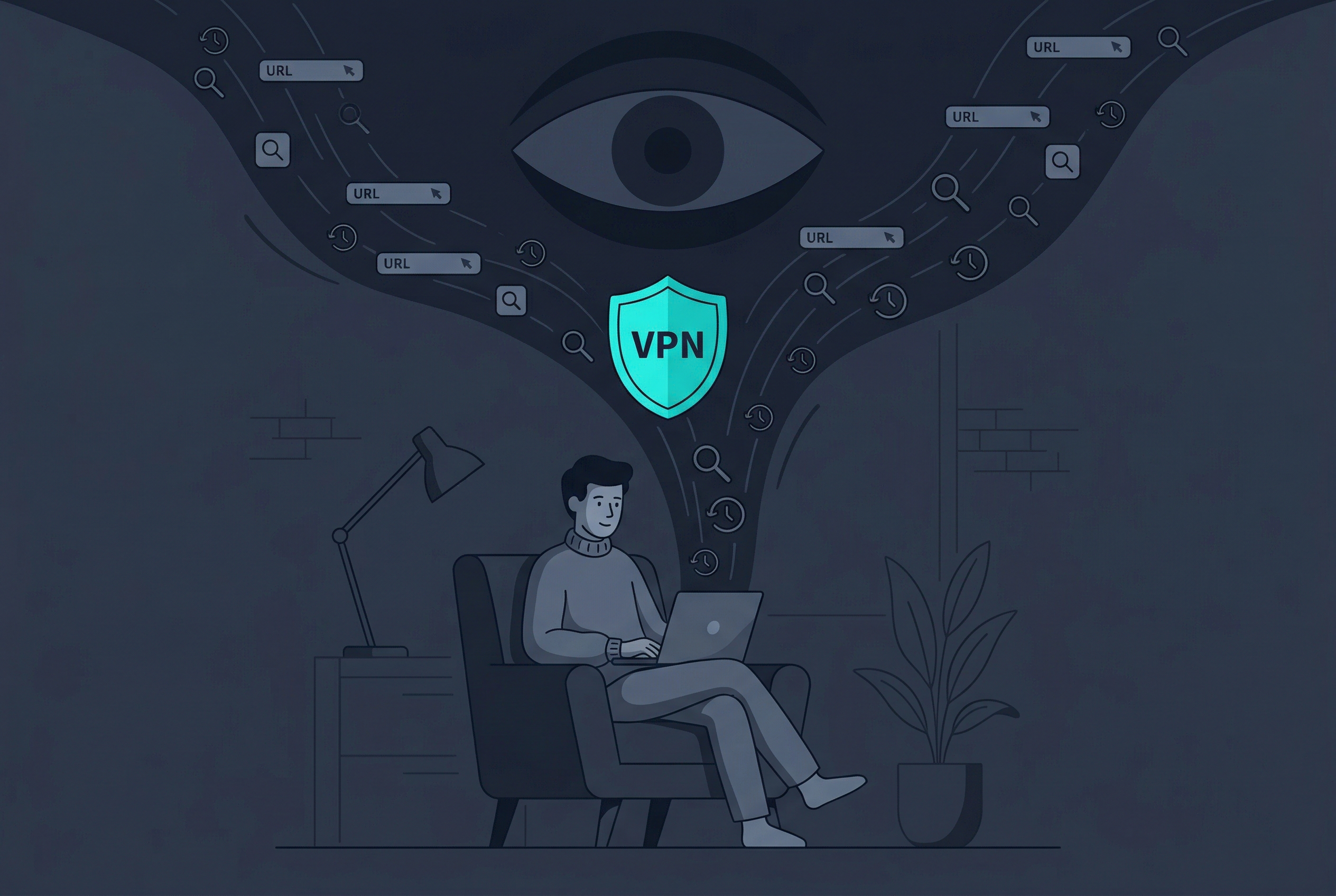

Take Back Your Privacy
Mask your IP address and encrypt your connection to stop data brokers from tracking you.
- Hide Your Location
- Block Web Trackers
- Strict No-Log Policy