
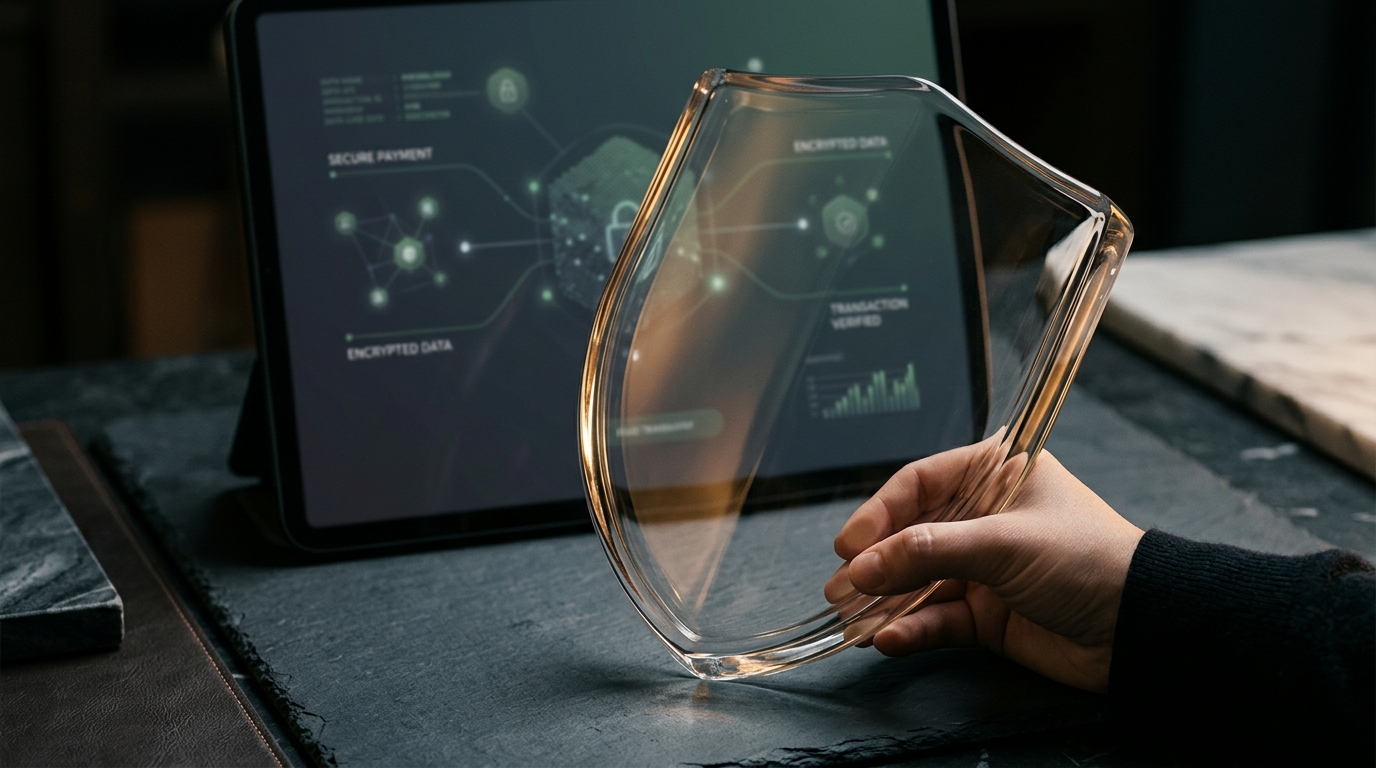
The $408 Million Reality: Understanding the Coupang Leak
In mid-2026, the digital world was rocked by the news of a massive data breach at Coupang, one of the world's largest e-commerce platforms. The numbers were staggering: 33 million users had their personal information exposed, resulting in a record-breaking $408 million fine for the company. But for the average user, the fine isn't the problem—the exposure is.
When a leak of this scale happens, it usually includes names, addresses, phone numbers, and purchase histories. This data doesn't just disappear; it ends up on the dark web, where it is used for sophisticated phishing attacks, identity theft, and targeted scams.
The Delay is the Danger
The most concerning part of the Coupang leak wasn't just the size, but the reporting delay. Platforms often take weeks or months to acknowledge a breach, giving bad actors plenty of time to exploit your data before you can even change a password.
How to Protect Personal Data From Leaks
If you are wondering how to protect personal data from leaks, you have to realize that there are two sides to the coin: Platform Security (which you can't control) and Connection Privacy (which you can).
The Platform Defense (Reactive)
- Use Unique Passwords: If one platform leaks, your other accounts should stay safe. Use a password manager.
- Enable 2FA: Two-factor authentication is your last line of defense when a password is stolen.
- Monitor Your Email: Use services like Have I Been Pwned to see if your data has appeared in recent breaches.
The Connection Defense (Proactive)
This is where most users fail. Every time you browse a site, you leak metadata—your IP address, your precise location, and your browsing habits. This data is often sold to third parties, creating a "shadow profile" that exists even if a platform isn't hacked.
Why a VPN is Your Best Defensive Tool in 2026
While a VPN can't stop a company's database from being compromised, it prevents you from adding to the digital trail that hackers use to target you. By using Free VPN US, you create an encrypted tunnel that shields your most sensitive connection data.
What Free VPN US Actually Protects:
- Your Real IP Address: Websites only see the VPN server's IP, making it impossible to trace your physical location.
- Browsing Metadata: ISP-level tracking is blocked, meaning your history isn't logged and sold to data brokers.
- Public Wi-Fi Safety: If you shop or bank on public networks, encryption prevents "man-in-the-middle" attacks from stealing your credentials in real-time.
Personal Security: Platform vs. Connection
| Security Layer | What it Protects | User Control |
|---|---|---|
| Account Password | Access to your specific profile and data. | High (Use a manager) |
| Platform Server | The central database where info is stored. | Zero (Depends on company) |
| Internet Connection | Your IP, location, and real-time activity. | High (Use Free VPN US) |
| Device Privacy | Physical access and local file security. | High (Use Biometrics/Encryption) |
Your 30-Minute Privacy Action Plan
You don't need to be a cybersecurity expert to secure your footprint. Follow these steps today:
- Audit Your Accounts: Look at your most used e-commerce and social apps. If they don't have 2FA enabled, turn it on now.
- Secure Your Connection: Download and activate Free VPN US. Ensure it's running whenever you are browsing on a mobile device or Mac.
- Switch to Private Browsing: Combine your VPN with private/incognito modes to prevent local tracking cookies from following you.
The 2026 Mindset
Privacy isn't about being invisible; it's about being selective. By using Free VPN US, you choose who gets to see your location and identity, rather than letting every platform and ISP decide for you.
Frequently Asked Questions
How do I know if my data was leaked in the Coupang breach?
Check reliable leak notification services like Have I Been Pwned and monitor your registered email for official notifications from Coupang.
What should I do immediately after a data leak?
Change your passwords immediately, enable two-factor authentication (2FA), and use a VPN to secure your current browsing sessions.
Can a VPN stop a platform leak?
No, a VPN cannot prevent a leak on a company's server, but it prevents you from leaking your IP and location to third-party trackers while browsing.
Is Free VPN US safe for protecting personal data?
Yes, Free VPN US uses high-level encryption to hide your IP address and location, significantly reducing your digital footprint.
Still Worried About Digital Safety?
Data leaks are just one part of the modern privacy landscape. Explore these related guides to harden your defenses.
Recommended Reading
Take Control of Your Connection
Don't wait for the next platform breach. Start shielding your IP, location, and browsing metadata today with the most trusted free privacy tool for iOS and Mac.
- No-Logs Policy
- Global Servers
- One-Tap Connect