
A blocked-page notice looks official. It can be tempting to treat that screen as the whole explanation. November’s forged-order investigation shows why the source and date behind a blocking decision matter.
The story raises questions about the checks that happen before a website disappears from a connection. It also explains why a local access problem deserves more investigation than repeatedly refreshing the same page.
What Reuters found
Reuters reported that two purported High Court orders were used to direct blocks on 129 betting websites. The investigation identified forged documents and triggered police scrutiny. The affected sites were described as illegal betting services.
The wider question is how false documents reached the blocking process. It is a story about verification and accountability. It gives readers reason to check the evidence behind an access claim.
Reuters investigation follow-up · 12 November ↗
What changed after the report?
Reuters reported further scrutiny from the prime minister’s office on 14 November. A later policy tracker cites reporting that the Department of Telecommunications directed the unblocking of 95 sites covered by one purported order.
Access on a particular network can lag an instruction or differ between providers. A news report about an order changing and a successful test from your connection are two different pieces of evidence. Check both dates when interpreting a screenshot or headline.
Reuters · 14 November ↗ · Policy tracker · 20 November ↗
What a block page actually tells you
A block page can show that your current route is being filtered. It does not by itself tell you whether an order is authentic, whether it has been reversed, or whether every provider is applying the same restriction.
Other failures can look similar. A DNS error, expired certificate or site outage can prevent a page from loading. Note the exact message, time and network. Check the site’s official updates and an unrelated website before deciding on the cause.
A useful way to compare connections
- Check several unrelated sites to establish that your internet is active.
- Compare Wi-Fi and mobile data if available.
- Read the exact error or block notice and check its date.
- For permitted browsing, compare the result with a VPN connection through a different region.
A different result can help identify a network-path issue. It is not a guarantee that a service is available everywhere. Follow applicable requirements and the service’s terms.
Where VPN US adds control
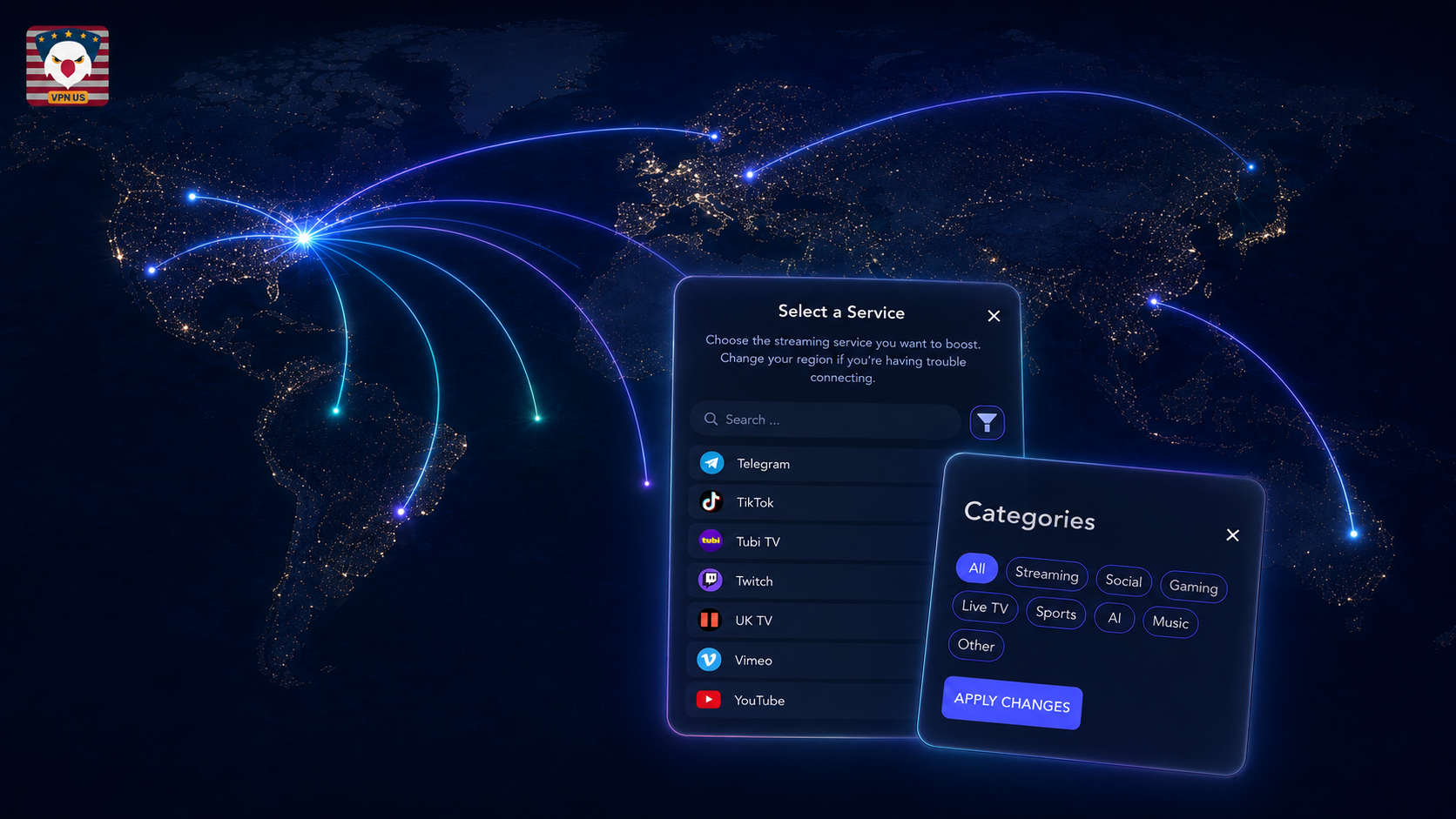
VPN US lets you select a VPN region, route traffic through that server and use Alternate IP when you need another address in the same location. Premium adds unlimited VPN time, an ad-free app and premium server choices.
Those controls are useful beyond any single headline. They give you options for everyday privacy on shared Wi-Fi and for some network restrictions while internet access is active. A full shutdown still removes the connection a VPN needs.
India pricing, without a long multi-year commitment
A full year of VPN US Premium is ₹1,999 upfront, reduced from ₹14,900. For a shorter start, the ₹199 weekly plan is pay as you go. Monthly is ₹499 upfront. Eligible accounts can choose a three-day trial on the separate ₹299 weekly plan.
Open the India App Store, install VPN US and compare the plans in the app. Apple shows the final price and trial eligibility before you confirm.
More control. A lower India price.
Get unlimited Premium VPN time and an ad-free app. Compare ₹199/week, ₹499/month upfront and ₹1,999/year upfront.
Applicable from 22 November 2026.
Explore VPN US Premium for India ↗