
Is VPN Legal? A Country-by-Country Guide
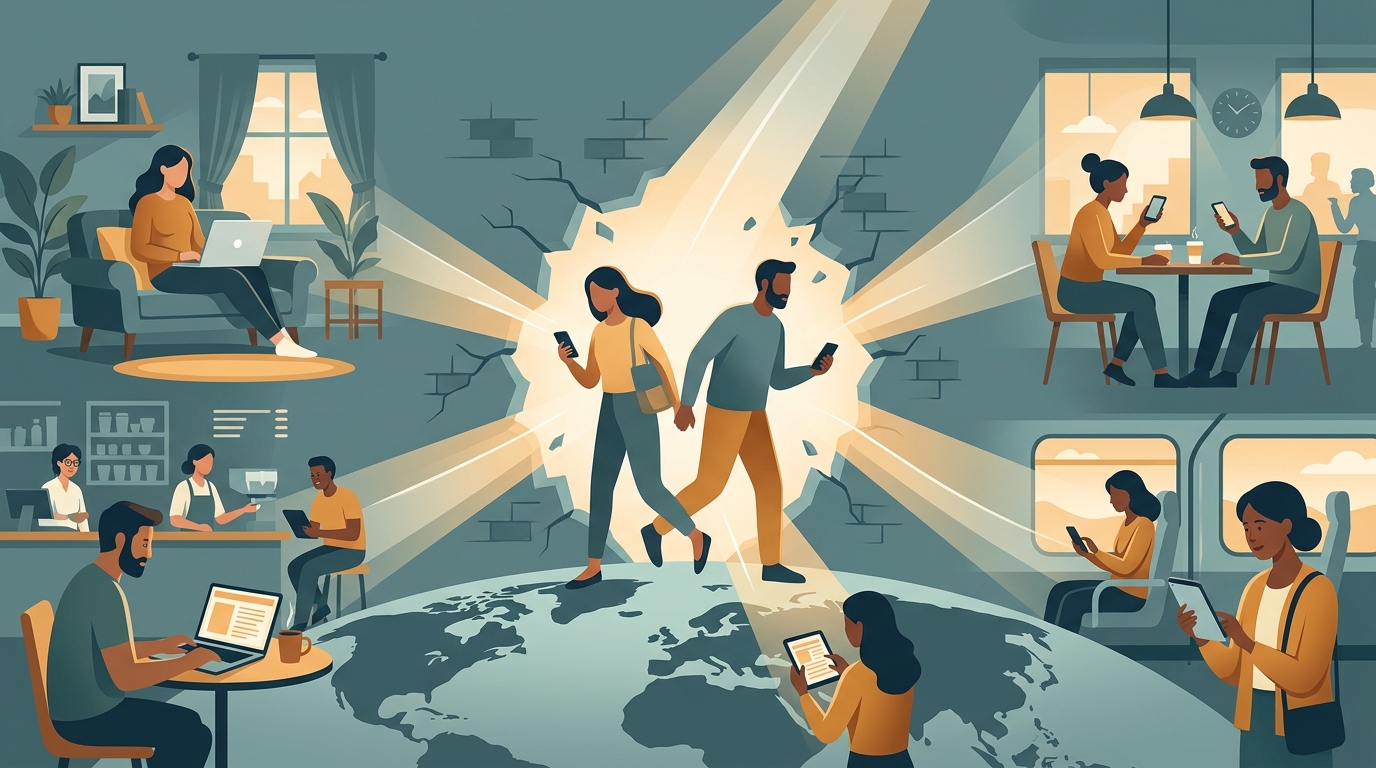
The real question isn't whether VPN is "legal"—it's whether you have the freedom to access the content and services you deserve. In many parts of the world, users find themselves blocked from information, communication tools, and content simply because of where they live.
VPNs exist because internet access should be available to everyone. If you live in a country that openly allows VPN use—the United States, Canada, the United Kingdom, most of Europe, and many others—you have the freedom to use tools like Free VPN US to protect your privacy, access information, and stay secure online.
In other regions, access is restricted. Some governments block VPNs altogether; others make them difficult to use. This doesn't reflect the availability of the technology—it reflects control over user access.
This guide shows where you can use a VPN freely, where access is restricted, and how to understand your options wherever you are. The goal is simple: help you reclaim the internet freedom and access you deserve.
What This Guide Is About
This guide focuses on one thing: helping you understand your options for internet freedom. VPNs are tools that help you access content and information. Your right to access information, communicate freely, and browse safely should not depend on your location. We'll help you navigate the landscape wherever you are.
Why Some Regions Restrict VPN Access
In many parts of the world, users face barriers to the information and services they need. Some governments restrict or ban VPNs to control what users can access—limiting communication tools, blocking news sources, or preventing access to social media and messaging apps.
When access is restricted in your region, it's because something—information, connection to the outside world, freedom to communicate—is being controlled. VPNs exist to help users reclaim that access.
This isn't about arguing politics. It's about recognizing that internet freedom is something that should be available to all, everywhere.
Learn more: What Happens During Internet Shutdowns
Where You Have Freedom to Access
In these countries and regions, you can use a VPN freely. This means you have the tools to protect your privacy, access the information you need, and maintain control over your own online experience.
- United States: VPN use is legal. Encryption and IP masking are not illegal. The only illegal use is if you use a VPN to commit crimes.
- Canada: VPN use is legal and openly discussed. Canadians frequently use VPNs for privacy and security.
- United Kingdom: VPN use is legal. The UK government regulates ISPs and monitoring, but does not restrict VPN technology.
- Australia: VPN use is legal. Australia has mandatory data retention laws (metadata), but VPN use itself is not prohibited.
- Germany: VPN use is legal. Germany has strong privacy protections and data protection laws.
- France: VPN use is legal. France prioritizes privacy and does not restrict VPN technology.
- Sweden: VPN use is legal and common for privacy-conscious users.
- Netherlands: VPN use is legal. The Netherlands has strong data protection standards.
- Belgium: VPN use is legal.
- Denmark: VPN use is legal.
- Finland: VPN use is legal.
- Norway: VPN use is legal.
- Ireland: VPN use is legal.
- Spain: VPN use is legal.
- Italy: VPN use is legal.
- Japan: VPN use is legal.
- South Korea: VPN use is legal.
- Singapore: VPN use is legal (though the government actively monitors all internet activity).
- Hong Kong: VPN use is technically legal, but usage has become politically risky after recent security legislation.
- Taiwan: VPN use is legal.
- New Zealand: VPN use is legal.
- Mexico: VPN use is legal.
- Brazil: VPN use is legal.
- Argentina: VPN use is legal.
- Chile: VPN use is legal.
- Peru: VPN use is legal.
For iOS and Mac users in these regions: Free VPN US gives you the freedom to browse, access, and communicate without restrictions. AES-256 encryption means your data stays private—from hackers, from ISPs, from surveillance. Use it confidently on public Wi-Fi, for remote work, and to access the content and services you need.
Where Access Is Limited
In some regions, users find themselves unable to access the tools, information, and services available elsewhere. VPN usage may be restricted, blocked, or banned. This reflects a reality: not everyone in the world has the same freedom to access what they need.
Regions Where VPN Access Is Severely Limited
- China: VPN services are heavily restricted. Many users find themselves unable to access information and tools available outside government channels.
- Russia: VPN services are increasingly blocked. Users in Russia often cannot access the same services and information available to users elsewhere.
- Iran: VPN access is heavily restricted. Users face significant barriers to accessing content and communication tools.
- United Arab Emirates (UAE): VPN services are blocked or restricted. Many communication tools and content services are inaccessible to users in this region.
- North Korea: Internet access is tightly controlled. Most international services are inaccessible.
- Turkmenistan: VPN services are blocked. Users have very limited access to content outside government-approved channels.
- Syria: Internet access and VPN services are heavily monitored and restricted.
Regions Where Access Is Unclear or Changing
In these countries, the situation is more complex. VPN services may be blocked, access may be inconsistent, or regulations may be changing. Users in these regions often find themselves unable to reliably access the content and services they need.
- India: VPN services are increasingly blocked. Users often struggle to access content that is unrestricted elsewhere.
- Turkey: Many VPN services are blocked. Users face barriers to accessing content and communication tools.
- Vietnam: VPN services are restricted. Users often cannot reliably access blocked websites and services.
- Thailand: VPN services are monitored and sometimes blocked. Access varies depending on what content you're trying to reach.
- Indonesia: Some VPN services are blocked. Users may experience inconsistent access.
- Pakistan: VPN services are increasingly blocked. Many users cannot reliably access content.
- Egypt: Internet activity is monitored and some VPN services are blocked.
- Saudi Arabia: Many VPN services are blocked or heavily throttled.
- Morocco: Some VPN services are blocked. Internet activity is monitored.
Understanding Your Options: What You Can Do
VPNs are tools. In regions where they're available, they help you access content and services, protect your privacy, and maintain control over your online experience. Here's what you should know about your options.
How VPNs Help You Access What You Need
- Privacy: A VPN keeps your browsing private, protecting you from ISP monitoring and network snooping. This is your right.
- Security: On public Wi-Fi or untrusted networks, a VPN encrypts your data and protects your accounts from hackers.
- Access to information: In regions where content is blocked, a VPN can help you access news, information, and services that should be available to everyone.
- Safe communication: A VPN protects your messaging and communication from monitoring, especially in restricted regions.
- Remote work: A VPN securely connects you to your work networks and files, no matter where you are.
What to Know About Access and Responsibility
In regions where VPN use is free and unrestricted, you have the tools to protect your privacy and access what you need. Use them responsibly. Don't use VPNs to commit fraud, access pirated content, or hack into systems—those actions harm others and are illegal everywhere.
But using a VPN for privacy, security, access to information, and safe communication? That's what VPNs are designed for.
In restricted regions, the situation is more complex. VPN services may be blocked, and regulations may carry serious consequences. We respect your safety above all else. If you're in a region with strict VPN restrictions, understand the real risks before deciding what's right for you.
Learn more: How to Unblock WhatsApp, Telegram, and X
Learn more: How to Use WhatsApp and FaceTime Safely in Dubai and the UAE
Important: Know Your Region
If you live in a region where VPN use is restricted or banned, we want you to be safe. Understand your local laws and the real consequences before using a VPN. Your safety matters more than anything. If you need to access information or communicate safely in a restricted region, consider consulting with local privacy advocates or human rights organizations who understand the specific risks in your area.
Using a VPN: A Practical Guide
If you have the freedom to use a VPN, here's how to do it well.
Choosing a VPN You Can Trust
- No-logs policy: Your VPN provider should not store your browsing activity. Free VPN US maintains strict no-logs practices. Your privacy should be protected at every level.
- Transparency and audits: Prefer VPNs that publish clear privacy policies and independent audit reports. Check the provider's current public evidence before relying on an audit claim.
- Strong encryption: The current FREE VPN US App Store listing identifies AES-256 encryption for traffic carried through the VPN tunnel.
- Speed and reliability: A good VPN shouldn't slow down your browsing. Free VPN US is optimized for fast, stable connections.
If You're in a Restricted Region
The safety decision is yours. If you're considering using a VPN where it's restricted or banned, understand the real consequences for your country and situation. Your safety comes first.
If you do decide to use a VPN:
- Research your laws: Know exactly what the restrictions are and what enforcement looks like in your specific situation.
- Use services with proven track records: Smaller or newer services are more likely to be blocked or shut down.
- Be aware of your activity: A VPN encrypts your traffic, but in extremely restricted regions, sophisticated government surveillance may be able to identify that you're using one.
- Stay informed: Laws change. Keep yourself updated on what's happening in your region.
Free VPN US for iOS and Mac Users
In regions where VPN use is free and unrestricted, Free VPN US is designed to give you the privacy and access you deserve. Fast. Reliable. Secure. Use it for:
- Protecting your data on public Wi-Fi
- Secure work from anywhere
- Accessing content and services
- Maintaining your privacy without slowdowns
The Core Truth
Internet freedom is something that should be available to all, everywhere. Not everyone has it. VPNs are one tool that helps restore that freedom where it exists. If you have the freedom to use a VPN, do it. Protect your privacy. Access the information you need. Use the tools you deserve. If you don't have that freedom, understand your situation, stay safe, and know that you're not alone in wanting what everyone deserves.
VPN Legality at a Glance
| Region | Legal Status | Restrictions | Risk Level |
|---|---|---|---|
| Western (US, Canada, UK, EU, AU) | Fully legal | None. Use freely for privacy and security. | Low |
| East Asia (Japan, South Korea, Taiwan) | Fully legal | None. Use openly for privacy and work. | Low |
| Southeast Asia Gray Zones (Thailand, Vietnam, Indonesia) | Ambiguous | VPN services blocked. Legal risk unclear. Avoid political content. | Medium |
| South Asia Gray Zones (India, Pakistan) | Ambiguous | VPN services blocked or monitored. Regulations tightening. | Medium |
| Middle East (UAE, Saudi Arabia, Egypt) | Restricted/Banned | Many VPN services blocked. Heavy fines for unauthorized use. | High |
| Authoritarian (China, Russia, Iran) | Banned/Severely restricted | Unapproved VPNs illegal. Government monitoring. Fines and penalties. | Very High |
| North Korea, Turkmenistan | Banned | Complete ban. VPN use is a serious crime. | Critical |
Frequently Asked Questions
Is using a VPN legal in the United States?
Yes. VPN use is completely legal in the US. You can encrypt your traffic, protect your privacy, and browse securely without breaking any law. Your right to privacy is protected. Just use that freedom responsibly.
What if VPN is restricted where I live?
Some regions restrict or block VPNs. Before using one, research the specific laws and enforcement in your area. Understand the real consequences. Your safety is the priority. If you're in a region with strict restrictions and need to access content safely, consider reaching out to local privacy advocates or human rights organizations who understand your specific situation.
Can I use a VPN to access streaming services?
Technically, VPN use is legal in most countries. However, most streaming services prohibit VPN use in their Terms of Service. Services like Netflix and Disney+ actively block VPN traffic. Your account might be suspended or terminated if you try. The choice is yours, but know the terms you're agreeing to.
How does Free VPN US protect me?
Free VPN US encrypts your data with AES-256 encryption, protecting you from hackers on public Wi-Fi and from ISP snooping. It keeps your browsing private and your data secure. Use it responsibly for privacy, security, and safe access to the information and services you need.
Can my ISP block my VPN?
ISPs can see that you're using a VPN (the connection appears encrypted), but they can't see what you're doing inside it. In most Western countries, ISPs don't block consumer VPNs. In restrictive regions, ISPs actively block VPN services. Check your local situation. If your VPN stops working, it's likely being blocked by your ISP or government network, not your VPN provider.
More Questions?
Here are answers to questions we hear often about VPNs, access, and internet freedom.
Related Reads
Reclaim Your Internet Freedom
In regions where you have the freedom to do so, Free VPN US gives you back control over your privacy and access. Fast, secure, private. Download now and experience the internet the way it should be.
- AES-256 encryption
- Zero-logs guarantee
- Fast & stable connection