
The Normalization of Constant Surveillance
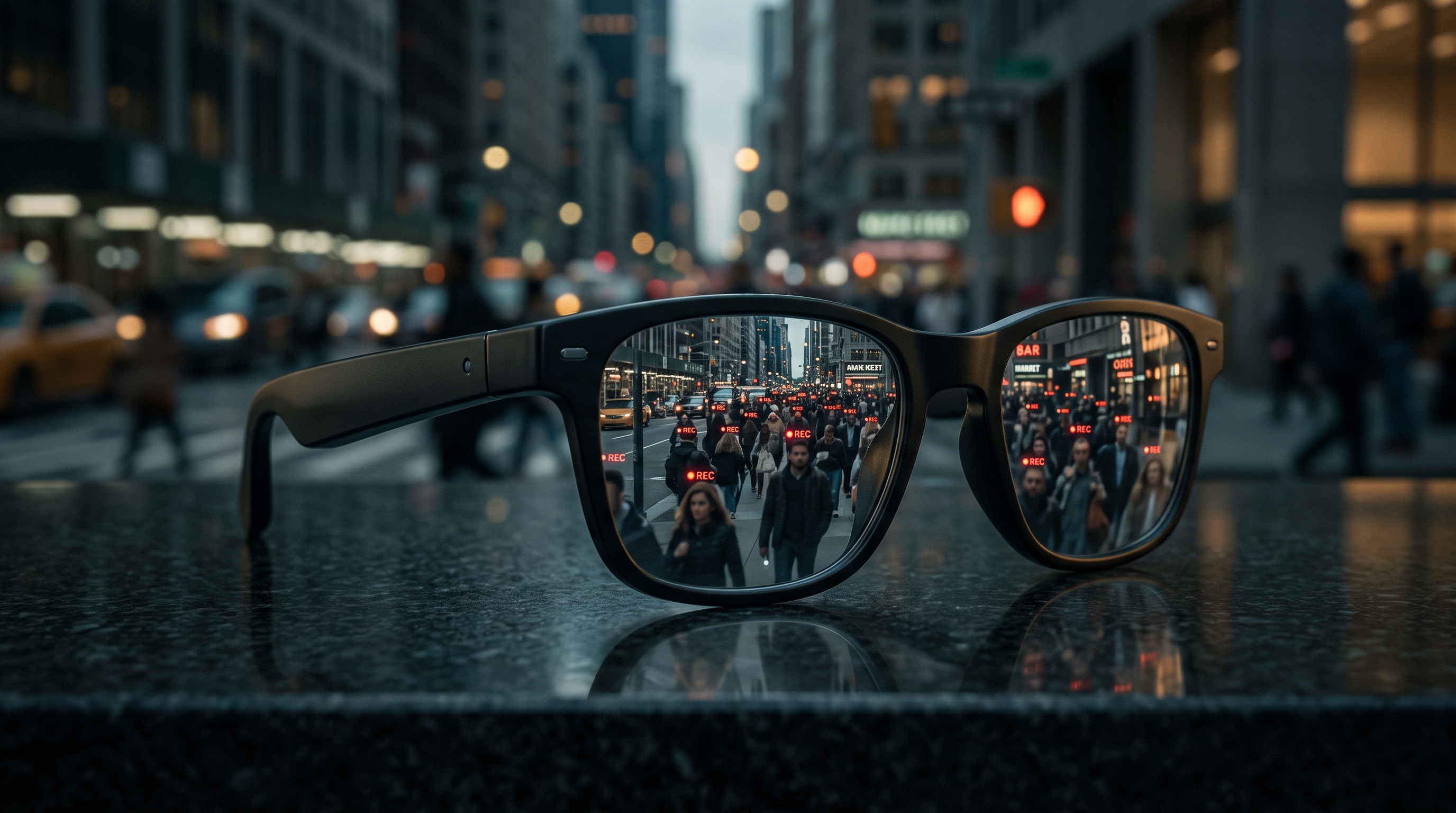
We've lived with smartphones for two decades, but smart glasses represent a fundamental shift. A smartphone is an intentional act—you have to pull it out and point it. Smart glasses are passive. They record from eye-level, capturing every conversation, every credit card number on a table, and every private moment you didn't know was being watched.
The "privacy light" on these devices is often the only defense, but it is deeply flawed. In bright sunlight, these tiny LEDs are invisible. In a crowded cafe, they are easily missed. We are entering an era where you must assume every person wearing glasses is a live-streaming node in a global surveillance network.
The "Always-On" Problem
Unlike body cams or CCTV, smart glasses are consumer products designed for social media. This means your private life becomes content for a stranger's TikTok or Instagram Reels before you can even react.
Real-Time Facial Recognition: No More Strangers
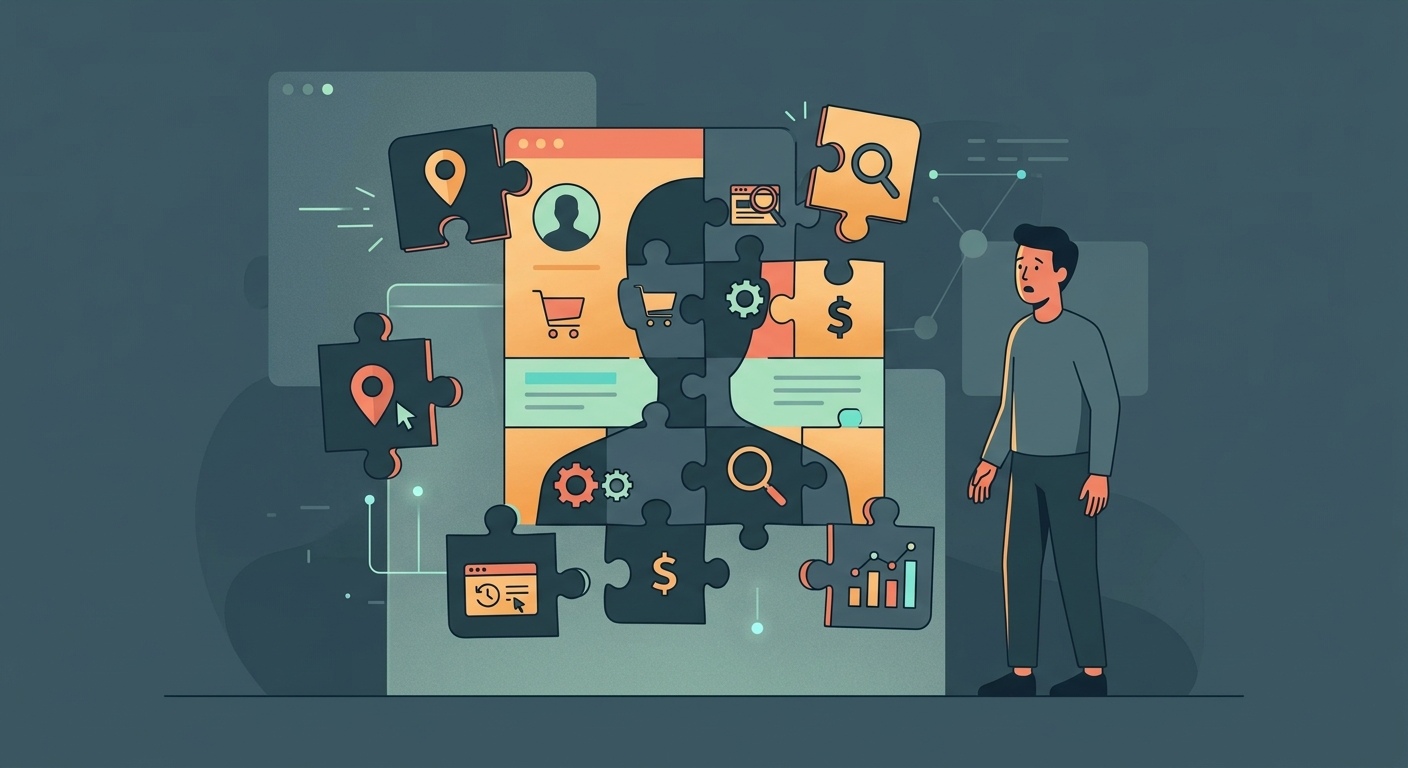
The most alarming development isn't just the camera; it's the AI behind the lens. Recent demonstrations have shown smart glasses paired with public databases to identify strangers instantly. By simply looking at you, a wearer could see your full name, where you work, and even your home address—all pulled from your public digital footprint.
How AI Glasses Identify You:
- Facial Vectoring: Converting your face into a unique mathematical string.
- Social Matching: Instantly cross-referencing that string against social media profiles.
- Metadata Scraping: Pulling employer info, recent check-ins, and public records.
- Contextual AI: Predicting your behavior based on previous public data.
The Cloud: Where Your Privacy Goes to Die
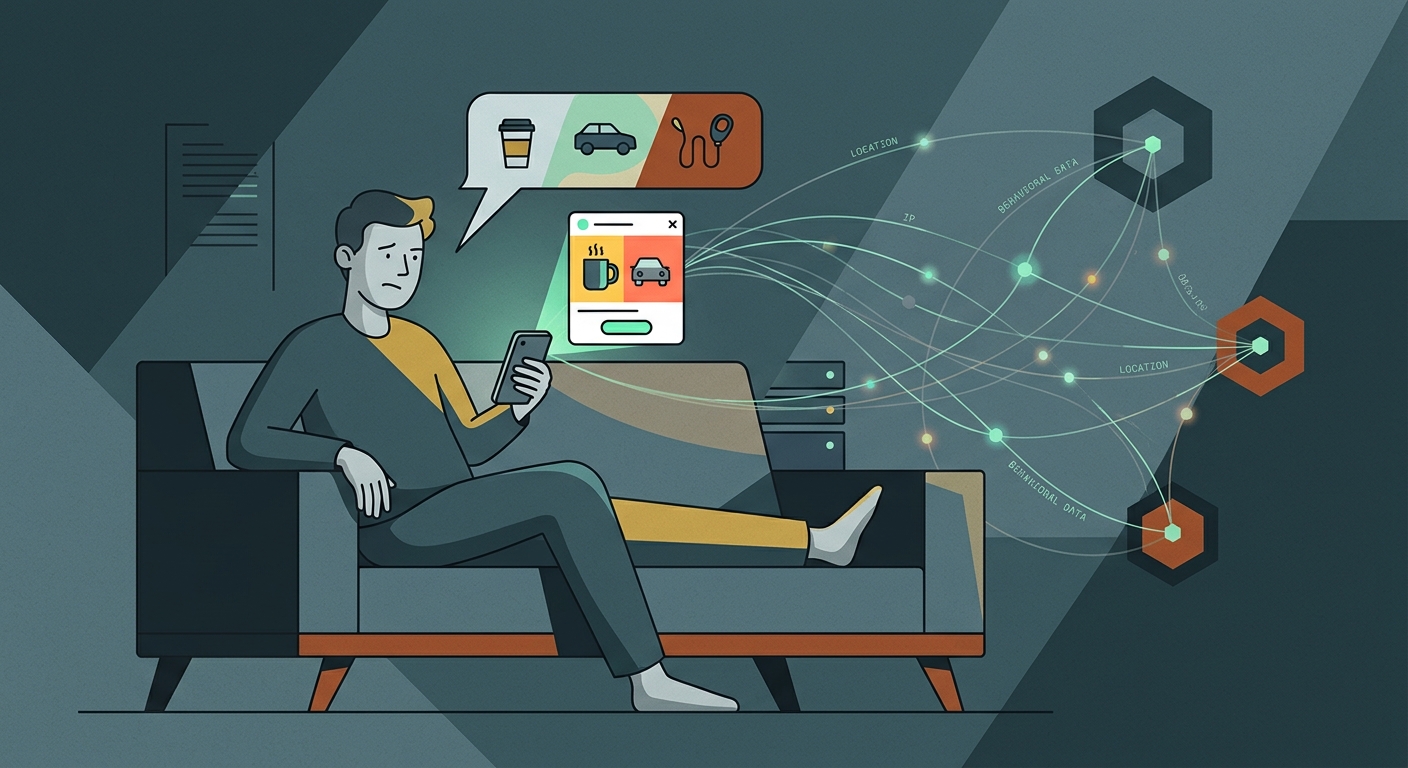
Most smart glasses don't store data locally; they beam it to the cloud. This data isn't just "video." It's a goldmine for tech giants. They use your visual field to train AI, map the inside of private homes, and understand consumer habits in ways a smartphone never could.
Protecting Your Digital Space
A VPN cannot stop a camera from recording you or control what its owner uploads. Free VPN US can still reduce a separate part of your exposure by encrypting traffic on shared networks and masking your public IP address while you browse on iPhone or Mac.
How to Reclaim Your Privacy
| Risk Factor | Smart Glasses Impact | How to Mitigate |
|---|---|---|
| Public Anonymity | Identified via facial recognition instantly. | Audit social media privacy settings frequently. |
| Shared-Network Privacy | Your own device traffic may be exposed to local network monitoring. | Use Free VPN US on public networks to encrypt your connection. |
| Invasive Advertising | AI analyzes your field of vision for ads. | Use the Private Browser in Free VPN US to reduce web tracking. |
| Location Leaks | GPS data is baked into every recording. | Mask your IP and location with a secure VPN. |
Practical Steps for a Post-Glass World
- Minimize Your Public Data: The less "public" your face is on LinkedIn or social media, the harder it is for AI to match you.
- Secure Your Own Devices: Encrypt your mobile traffic on shared Wi-Fi so local network operators and nearby attackers cannot easily inspect it.
- Use a Private Browser: The Private Browser inside Free VPN US helps reduce cross-site tracking that companies use to build advertising profiles.
- Support Privacy Legislation: Push for "Right to Opt-Out" laws concerning public facial recognition.
Smart Glasses Privacy FAQs
Can smart glasses record me without me knowing?
Yes. While most smart glasses have a recording light, these can be tiny, covered, or easily missed in bright sunlight or crowded environments.
Do AI glasses use facial recognition in real-time?
Newer AI glasses are being tested with facial recognition capabilities that can link a stranger's face to their social media profiles or home address instantly.
How is the recorded data used by AI?
Depending on the device and service, recordings may be sent to cloud systems to process requests, identify objects, improve models, or personalize features. Review the manufacturer's retention and training controls before enabling cloud analysis.
How can I protect my privacy from smart glasses?
Limit public profile data, tighten photo and location settings, secure your own network traffic with tools such as Free VPN US, and remember that a VPN cannot prevent physical recording.
Can a private browser or VPN stop smart glasses from recording me?
No. A private browser can reduce web tracking, and a VPN can encrypt your network traffic and mask your public IP address, but neither can block a physical camera or erase footage that has already been captured.
What should I do if someone is recording me with smart glasses?
Move away from the camera, calmly ask the wearer to stop if it is safe to do so, and contact venue staff when recording violates posted rules. Recording laws vary, especially for private spaces and conversations.
What can I do if smart-glasses footage of me is posted online?
Save the URL and screenshots, use the platform's privacy or harassment reporting tools, and request removal. For sensitive, intimate, or threatening footage, contact local authorities or a qualified legal professional.
Deeper Into Digital Privacy
Understanding how to protect your identity in an age of constant surveillance is critical. Explore these related topics:
Related Privacy Guides
Protect Your Digital Footprint
In a world where everyone is recording, ensure your own data stays private. Secure your iPhone and Mac with the most trusted privacy tool.
- AES-256 encryption
- Private Browser with Ad-Block
- No-Logs Privacy Policy