Why Prices Differ: The Core Reasons
1. Purchasing Power Parity (PPP) and Local Wages
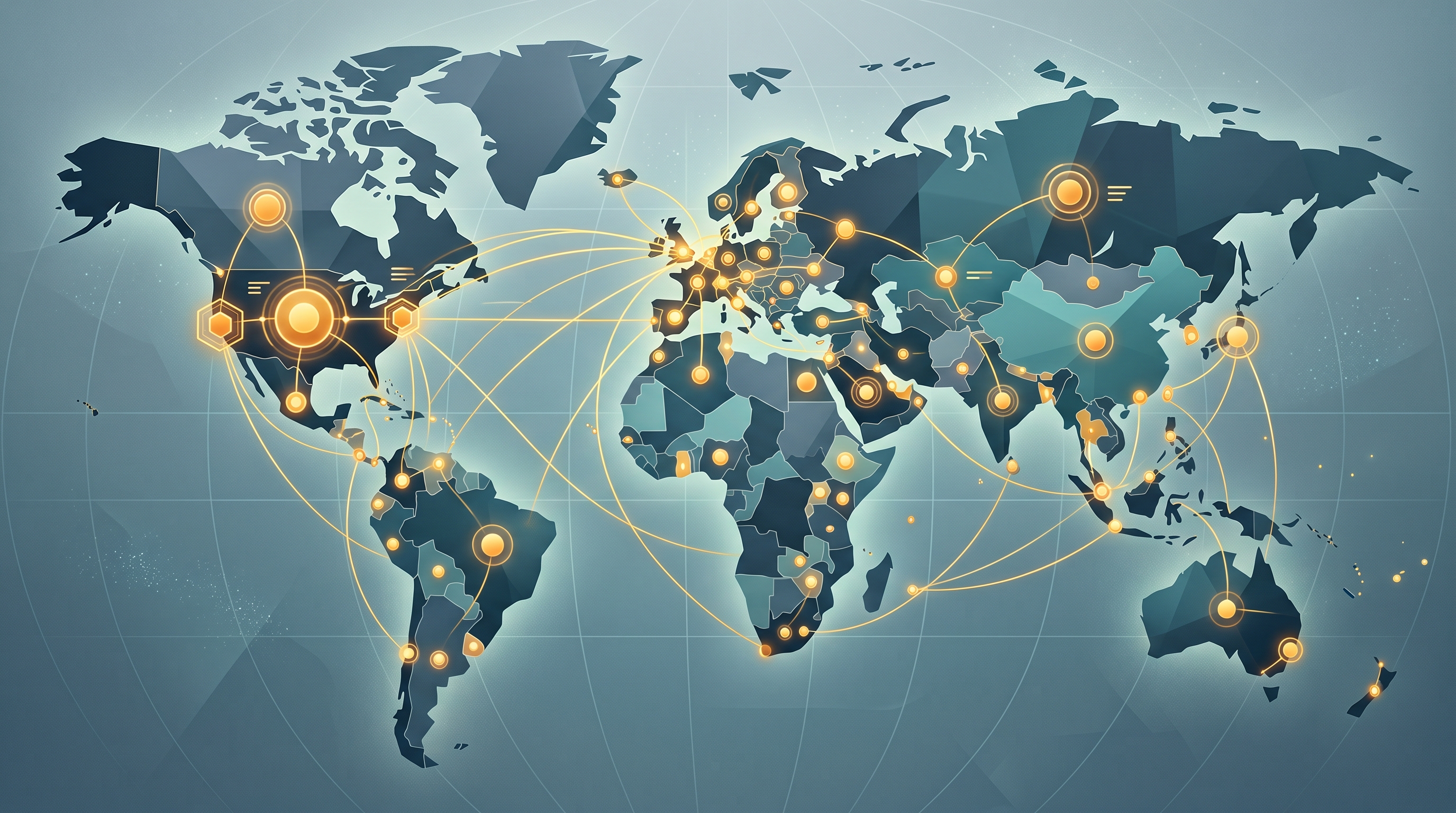
The most important factor behind streaming price differences is purchasing power parity—the idea that a $15 subscription means something very different in different places.
In the United States, the median monthly income is around $4,000 USD. A $15 Netflix subscription represents about 0.37% of your monthly income. In India, where median monthly income is around $450 USD, charging $15 would represent 3.3% of income—more than nine times the burden.
So Netflix charges $2.99 in India instead. At that price, it's only 0.66% of median income—much closer to the US experience. Streaming services use sophisticated pricing models to ensure subscriptions feel roughly equally affordable across all countries, even though the dollar amount differs dramatically.
This is why:
- Netflix in Pakistan: $1.99/month
- Netflix in Turkey: $3.49/month
- Netflix in Mexico: $6.99/month
- Netflix in Canada: $16.49/month CAD
- Netflix in the United States: $15.49/month
2. Licensing and Content Costs Vary by Region
A single TV show or movie doesn't cost the same to license in every country. Netflix negotiates separate licensing agreements for every region, and those negotiations produce wildly different price tags.
For example, the rights to show a popular American TV show might cost:
- $X per subscriber in the US
- $Y per subscriber in Europe (often higher due to stricter regulations)
- $Z per subscriber in Southeast Asia (often lower due to lower market size)
Content providers (studios, networks, and producers) price based on:
- Market size: The US market is massive, so licensing is expensive. Smaller markets pay less.
- Revenue expectations: If a show is expected to drive lots of subscriptions in a region, the price is higher.
- Competition: If multiple streamers want the same content, prices rise. If no one else wants it, prices fall.
- Local regulations: Some countries require local content quotas or impose licensing restrictions that increase costs.
3. Local Competition and Market Saturation
In the United States, Netflix faces intense competition from Disney+, Amazon Prime Video, Hulu, Max, Paramount+, and others. This competitive pressure keeps prices lower than they might be.
In smaller or less saturated markets, the competitive landscape is different. Some regions have few local streaming alternatives, giving international players like Netflix more pricing power. Other regions have strong local competitors—like WeTV in Southeast Asia or Mubi in Russia—that force prices down.
Markets with higher competition typically have lower prices and more aggressive deals to attract subscribers.
4. Taxes, VAT, and Local Regulations
The price you see advertised isn't always the final price you pay. Many countries add value-added tax (VAT), goods and services tax (GST), or sales tax to streaming subscriptions.
- European Union: VAT ranges from 17% (Luxembourg) to 27% (Hungary). A €10.99 subscription becomes €12.29–13.95 after tax.
- Canada: GST (5%) is added in most provinces, plus additional provincial sales taxes (5–15%).
- Australia: GST of 10% is added to all streaming services.
- United States: Sales tax varies by state (0%–10%), but many states exempt digital services.
Some services advertise prices before tax (US model), while others advertise after tax (EU model). This creates the illusion of larger price differences than actually exist.
5. Currency Fluctuations and Payment Methods
Streaming services must decide: do we price in local currency and absorb exchange rate risk, or do we build in a currency buffer?
Netflix typically adjusts prices in local currency when exchange rates shift significantly. In 2023–2024, when the pound strengthened against the dollar, UK Netflix prices rose. When the rupee weakened, Indian Netflix prices were frozen to avoid making subscriptions unaffordable.
Payment methods also matter. Stripe, PayPal, and local payment processors each take different cuts depending on the region. Some countries have higher fraud rates, which increases processing costs. Streaming services build these costs into pricing.
Streaming Price Comparison by Region
Here's how major streaming services price their standard plans across key markets (prices as of July 2026, before taxes):
| Region/Country | Netflix Standard | Disney+ | Amazon Prime Video | Max (HBO) |
|---|---|---|---|---|
| United States | $15.49 | $10.99 | $14.99 | $15.99 |
| United Kingdom | £15.49 | £7.99 | £8.99 | £15.99 |
| Canada | $16.49 CAD | $11.99 CAD | $14.99 CAD | $16.99 CAD |
| Australia | $22.99 AUD | $13.99 AUD | $9.99 AUD | $19.99 AUD |
| India | $2.99 | $1.99 | Included in Prime ($2.99/mo) | N/A |
| Brazil | R$39.90 | R$45.90 | Included in Prime (R$14.90) | R$49.90 |
| Mexico | $6.99 USD | $7.99 USD | $7.99 USD | N/A |
| Japan | ¥1,490 | ¥990 | ¥600 | ¥1,320 |
Note: Prices vary within countries based on available tiers, promotions, and payment methods. Prices shown are standard/mid-tier subscriptions. Exchange rates fluctuate, affecting displayed USD equivalents.
Geographic Locks and Availability Restrictions
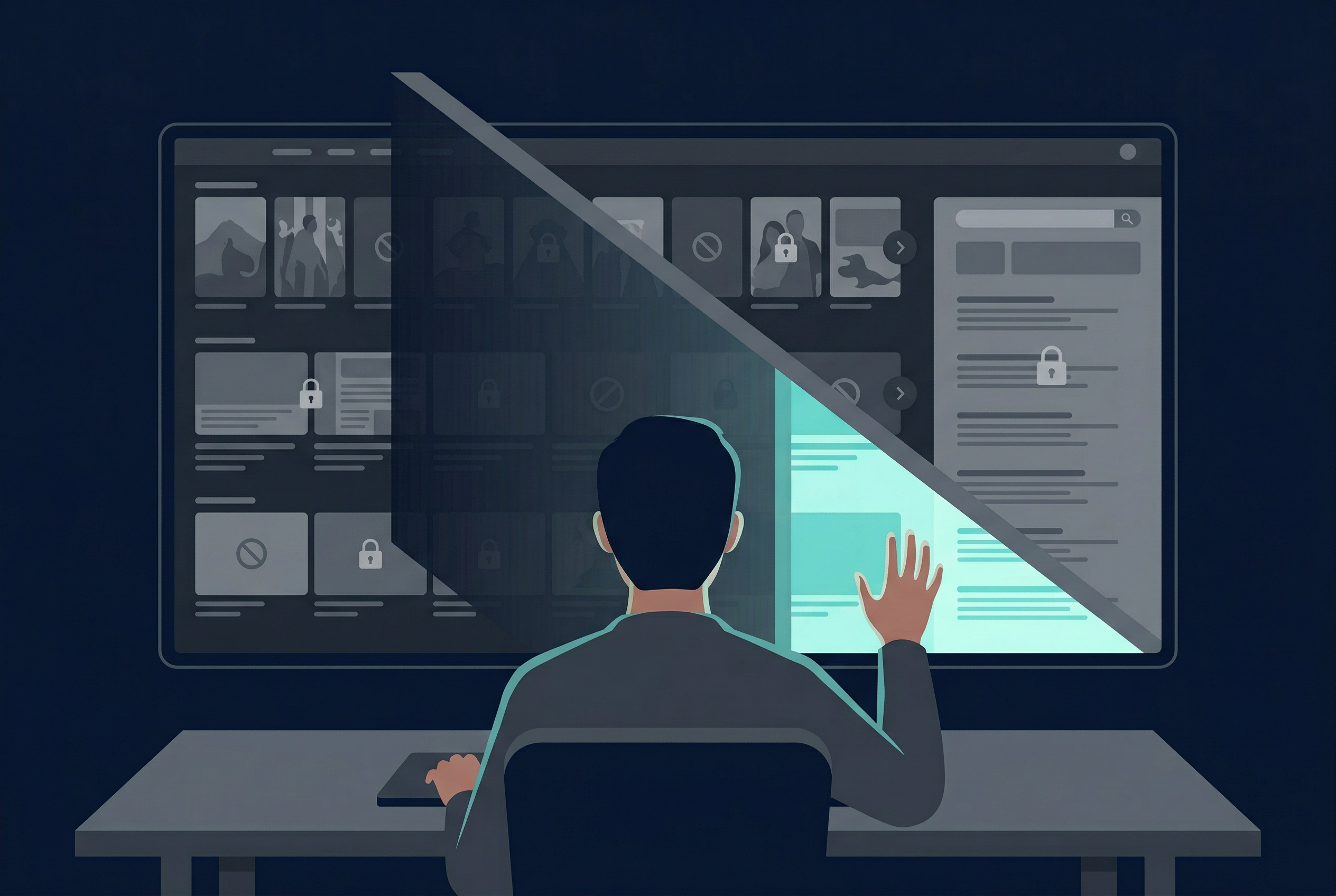
Pricing isn't the only difference across regions. Streaming services also restrict what content you can access based on your location.
A Netflix show available in the US might not be available in the UK because Netflix licensed it for US audiences only. A movie licensed for Australian viewers might not be on the platform in Canada. This fragmentation happens because:
- Licensing is territorial: Studios sell rights country-by-country or region-by-region, not globally. They can command higher prices by splitting the market.
- International distribution deals: Some content is reserved for theatrical release in certain countries before it goes to streaming. A film might be on Netflix in the US but unavailable in India until after its theatrical window.
- Regulations and censorship: Some countries restrict certain content. A show might be edited or removed for a specific region.
- Production agreements: Local producers and broadcasters sometimes negotiate exclusivity in their home markets.
This is why travelers often notice that their Netflix account shows different content in different countries. Your account doesn't change—the server you're accessing from does, and that determines what content is available to you.
Finding Better Deals: Legal Strategies
You don't need to accept whatever your region's pricing is. Here are legitimate ways to access better rates:
- Use family sharing plans. Many services now offer family plans that split costs across multiple users. Netflix, Disney+, and others allow password sharing on multiple devices for a single subscription, reducing your per-person cost.
- Watch for promotions and trials. Streaming services frequently offer 1–3 month free trials, especially to new customers. Stagger trials to reduce your overall spending, though watch out for auto-renewal traps.
- Subscribe monthly, not annually. While annual plans seem cheaper per month, streaming services often change pricing and raise costs. Monthly flexibility lets you pause when you're not using the service.
- Look for bundled deals. In many regions, streaming comes bundled with mobile plans, internet services, or other subscriptions. T-Mobile in the US includes Netflix with some plans. Similar offers exist in other countries.
- Check for student or education discounts. Apple TV+ offers 50% off for students in some regions. Disney+ has education pricing in some countries. Always check if you qualify.
- Use ad-supported tiers. Most major streamers now offer cheaper ad-supported plans. If you don't mind watching ads, you can cut your costs by 30–50%.
Keep Your Viewing Habits Private
Streaming services track what you watch to build ad profiles and recommend content. Keep your viewing habits secure with Free VPN US on iOS and Mac.
- Mask Your IP Address
- Encrypt Your Connection
- Smooth Streaming
Common Questions About Regional Streaming Pricing
Streaming services charge based on your billing address, not your current location. When you travel, if you continue using your US-billed account, you'll be charged in USD at US rates. However, if you change your billing address or payment method to a local one, your price may change. The service will typically ask you to confirm your country before you sign up or renew.
Netflix's terms of service require that you use the service in the country where you're billed. Technically, using your Indian Netflix account while living in the US, or vice versa, violates their terms. Netflix doesn't actively enforce this for casual travelers, but they reserve the right to. For permanent residents, it could result in account suspension. It's safest to use a subscription that matches where you actually live.
Different services have different licensing costs, competitive strategies, and launch priorities. Disney+ prioritizes rapid growth in key markets like India and Mexico, so they price aggressively. Netflix is more established and charges higher prices where it has market dominance. As services compete over time, prices tend to converge.
While a VPN masks your location, most streaming services require billing information (credit card, PayPal, etc.) to match your home country. Your payment method, not your IP address, determines your price. Additionally, using a VPN to circumvent regional pricing typically violates terms of service. We recommend using Free VPN US for privacy during streaming, not for bypassing regional restrictions.
Likely, yes—but slowly. Streaming services face pressure to raise prices as licensing costs increase and original content becomes more expensive. However, competition and market saturation will keep price increases modest. Expect annual increases of 5–15% in most markets, not sudden jumps.
Yes, partly. Wealthier countries have higher purchasing power, so streaming services charge more because users can afford to pay more. It's not price discrimination in the negative sense—it's market-based pricing designed to make subscriptions roughly equally affordable (as a percentage of income) everywhere. The alternative would be charging the same global price, which would make subscriptions unaffordable for people in developing economies.
Understanding Global Streaming Markets
Europe has higher VAT (17–27%), stricter data protection rules (GDPR), higher licensing costs for local content, and stronger labor regulations that increase operational costs. Additionally, Disney+ and Netflix entered the European market after the US, so they have different strategic pricing. The result is 20–40% higher prices in most European countries compared to the US.
Streaming services set prices in local currency to avoid confusion. When exchange rates shift, they often adjust prices to maintain their profit margins. For example, if the Euro weakens against the dollar, Netflix might raise Euro prices. If a currency strengthens, prices might be frozen to keep subscriptions affordable. Services use currency hedging strategies and quarterly price reviews to manage this.
In terms of purchasing power, India, Pakistan, and Turkey offer the lowest prices relative to local income—Netflix is only $2.99–$3.49. However, content selection is more limited in smaller markets. For content breadth, the US offers better value because you have access to the full Netflix library and many service options. Australia and the UK pay a premium but get comprehensive libraries. The "best value" depends on your content preferences and local income.
Disney+ launched later than Netflix and prioritized wealthy markets. Some countries don't have Disney+ because licensing is complicated, local competitors are strong, or the market is too small for Disney to justify the effort. In some regions (like much of Asia), Disney sells its content through regional partners instead of launching its own service. Over time, as the service scales, it expands to new markets.
Ad-supported tiers generate revenue from advertisers while allowing streaming services to offer cheaper subscriptions. Netflix's ad tier costs $6.99 (50% less than standard). This creates price competition: if you don't mind ads, you can save money. For ad-free viewers, standard prices haven't changed much. Going forward, expect more tiered options and greater price separation between ad and ad-free plans.
The Takeaway
Streaming prices vary dramatically around the world because of purchasing power parity, licensing costs, local competition, taxes, and currency fluctuations—not because companies are trying to unfairly target you. Netflix charging $2.99 in India and $15.49 in the US reflects real differences in what those subscriptions cost to provide, not corporate greed.
Understanding this helps you make smarter choices: you can take advantage of cheaper tiers, bundled deals, and promotions without violating terms of service. And if you value privacy while streaming, Free VPN US on iOS and Mac can help keep your viewing habits secure while you enjoy your favorite shows and movies.
Private Streaming on Any Network
Keep your streaming activity private from your ISP, network trackers, and ad networks. Free VPN US masks your IP and encrypts your connection on iOS and Mac.
- Encrypt Your Traffic
- Hide Your IP Address
- Fast & Reliable