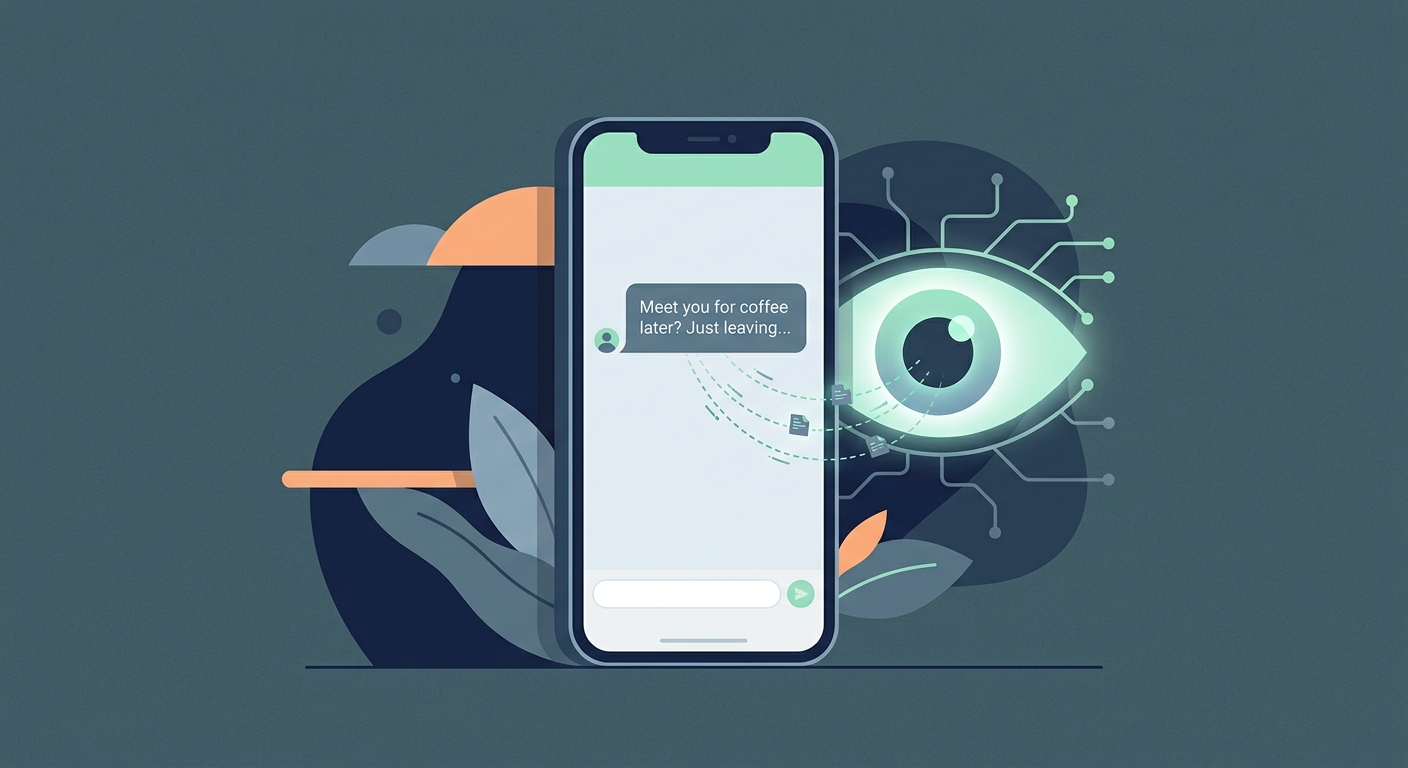
You log into your favorite social app, tap “Accept” on a new Terms of Service popup, and go about your day. But buried in that endless legalese is a subtle shift with massive privacy implications. Tech giants are quietly giving themselves permission to use your posts, photos, and even private messages to train their artificial intelligence models.
There is a growing, entirely justified anxiety around the sheer volume of personal data being scraped by AI companies. What we used to consider private communication is now viewed as raw material for the next generation of Large Language Models (LLMs). If you feel like your private conversations are suddenly being watched by machines, you aren’t alone—and you aren't wrong.
Here is exactly what is happening behind the scenes, why tech companies are so desperate for your data, and the practical steps you can take to shield your personal information and mobile traffic—especially if you browse on iOS or Mac.
The Situation: Your Private Data is Now AI Training Fuel
Over the past year, nearly every major tech platform has rewritten its privacy policy. Meta (Facebook and Instagram), X (formerly Twitter), Google, and countless smaller apps have quietly altered their rules. These updates usually feature vague, harmless-sounding language about "improving services" or "developing new features using artificial intelligence."
In practice, this means platforms are taking the data you generate—everything from your public posts to your search queries, and in some cases, the metadata and contents of your Direct Messages (DMs)—and feeding it into massive AI training engines.
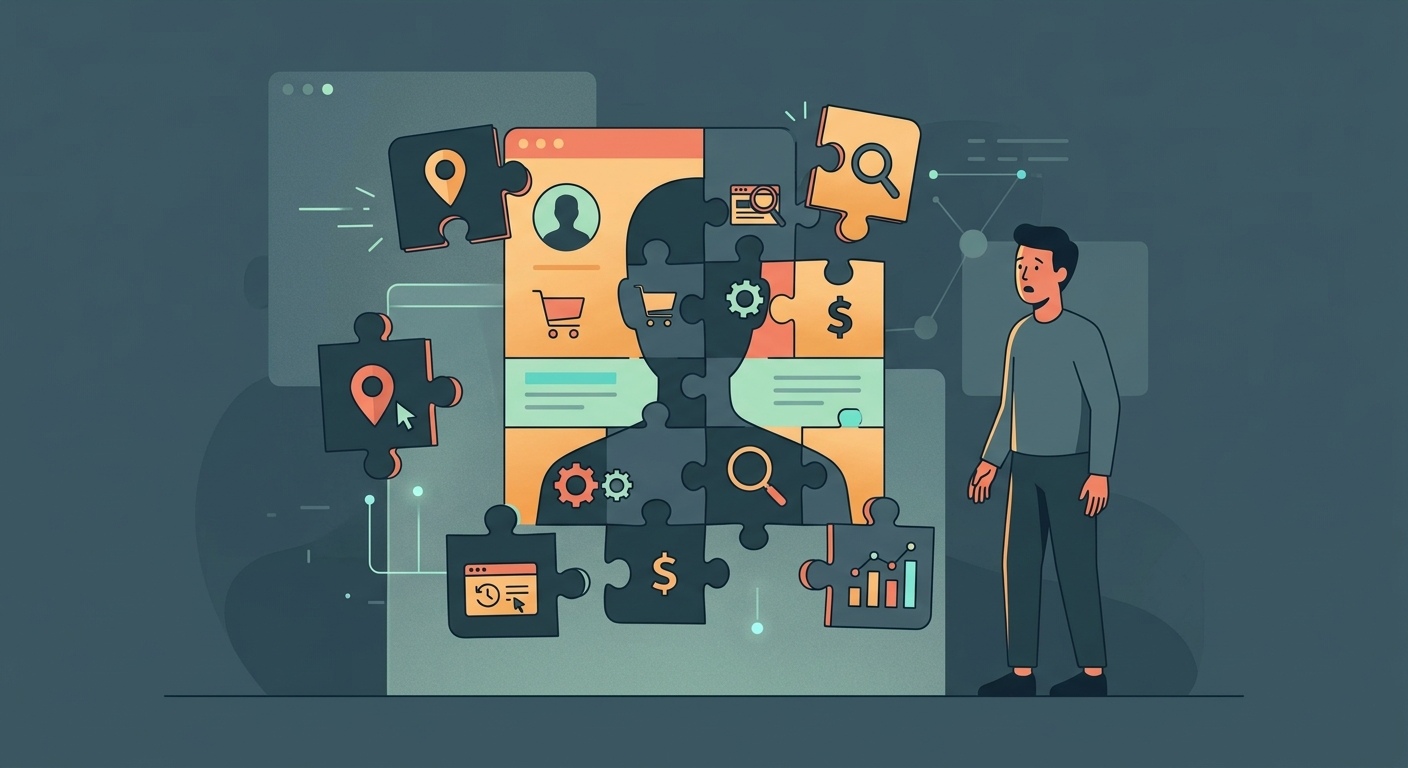
You might assume your data is anonymized. It usually isn't. AI scrapers don't just look at text; they look at context. They map IP addresses, device identifiers, location data, and browsing habits to build comprehensive profiles. When you browse from your iPhone or Mac, every connection you make leaves a digital footprint that ties your activities directly back to you.
The anxiety is real. We use our devices for sensitive work discussions, health searches, and deeply personal conversations. The idea that a machine is parsing those chats to learn how humans speak—and potentially regurgitating snippets of that information to other users—feels like a massive boundary violation.
Why It Happens: The Unquenchable Thirst for Data
Why are these companies risking user trust just to read your messages? It comes down to how AI is built.
The Race for Better Models
To make an AI model smarter and more conversational, it needs to ingest an unimaginably large amount of human text. Early AI models were trained on public internet data—Wikipedia, forums, and scraped websites. But the AI industry has hit a wall: they are running out of high-quality, publicly available human text.
Private Conversations are the Goldmine
Public posts are often performative. Private messages, however, reflect how humans actually communicate. They contain nuance, emotion, negotiation, and context. For an AI trying to perfectly mimic human interaction, DMs are the ultimate training data.
The IP Tracking Problem
Tech giants don't just want the text; they want to know who wrote it to understand demographics, intent, and regional dialects. To do this, they track your IP address and link it to your device. If you are browsing Safari on your Mac or using apps on your iPhone without protection, your IP address acts as a permanent digital name tag, tying all your scraped data directly to your physical location and identity.
What to Do: How to Opt Out and Shield Your Traffic
You don't have to delete all your apps and go off the grid to protect yourself. By taking a few deliberate steps, you can drastically reduce the amount of your data that ends up in an AI training database.
1. Find the Hidden Opt-Outs
Most platforms offer an opt-out for AI training, but they bury it deep in the settings menu. * Meta (Instagram/Facebook): Look for the "Privacy Center" or "Data Policy" settings. You often have to submit a specific form objecting to your data being used for generative AI. * Google: Pause your "Web & App Activity" in your Google Account settings to stop your searches from being used to train Gemini. * X (Twitter): Go to Settings > Privacy and safety > Data sharing and personalization > Grok, and uncheck the box that allows your posts to be used for training.
Note: These settings change frequently, so make it a habit to check your privacy menus every few months.
2. Mask Your Connection with a VPN
Opting out of platform settings is only half the battle. Whenever you connect to a website or app, external AI scrapers and data brokers are still logging your IP address to build profiles on you. You need to take control of your network traffic.
If you are an iOS or Mac user, you need to shield your device's connection so that data brokers cannot tie your online behavior to your actual location or identity.
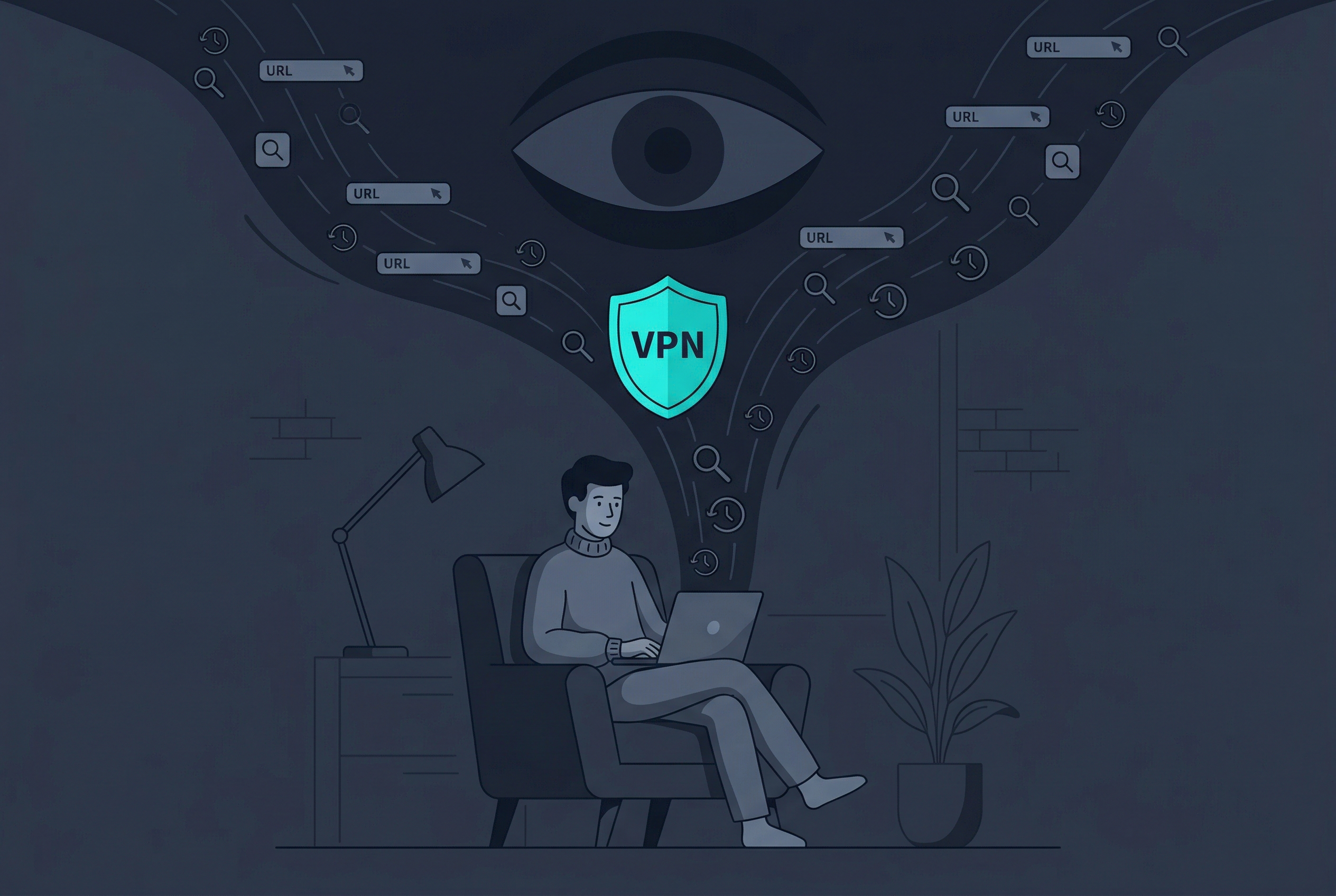
This is exactly what Free VPN US is built for. By routing your mobile browsing through an encrypted tunnel, Free VPN US masks your real IP address. When an AI scraper or data broker tries to log your activity, all they see is a random, anonymous IP address belonging to the VPN server, not your home network or cellular provider.
The Fix: Your Shield Against AI Scrapers
If you're an iOS or Mac user worried about AI scraping your private data, you need a straightforward defense.
- Built for Apple: Native apps for iOS and Mac that integrate seamlessly with your devices, running smoothly in the background without draining your battery.
- Free, Ad-Supported Tier: Start protecting your traffic immediately. You don't need an expensive subscription to shield your connection from IP-based AI scrapers.
- Breaks the Tracking Link: Even if a platform scrapes your text, masking your IP address breaks the crucial link to your physical identity. It turns your highly personalized data into useless, untraceable noise.
3. Switch to End-to-End Encrypted Apps
For your most sensitive conversations, move away from platforms that use server-side encryption (where the company holds the keys and can read your messages) to End-to-End Encrypted (E2EE) apps like Signal or WhatsApp. With E2EE, the message is scrambled on your device and only decrypted on the recipient's device. The tech company literally cannot read the contents of the message, meaning they cannot use it for AI training.
4. Limit Background App Refresh on iOS
Many apps scrape data and phone home while they are running in the background. On your iPhone, go to Settings > General > Background App Refresh and turn it off for any app that doesn't absolutely need it (like social media apps). Combine this with Free VPN US to ensure that any data that does leak out is completely anonymized.
Take Back Your Data
The era of assuming our online actions are private by default is over. Tech companies view your data as their property, and they will use it to train their AI models unless you actively stop them.
You have the power to draw a line. Dive into your privacy settings and hit those opt-out buttons. Move sensitive chats to encrypted messengers. Most importantly, break the tracking link between your data and your identity by masking your iOS or Mac connection with Free VPN US. AI might be the future, but your private life doesn't have to be its training manual.
Frequently Asked Questions (FAQs)
No. Apple’s iMessage uses end-to-end encryption. Apple cannot read the contents of your iMessages, which means they cannot be used to train AI models. However, standard SMS text messages (green bubbles) are not end-to-end encrypted and can potentially be intercepted or logged by carriers.
No. A VPN masks your current connection and IP address, preventing companies from linking your future browsing behavior to your location and identity. It does not delete data you have already posted. You must still use the platform's manual opt-out settings to protect past data.
Incognito mode only stops your browser (like Safari or Chrome) from saving your local history on your device. It does absolutely nothing to hide your IP address or stop your Internet Service Provider, websites, or AI scrapers from tracking your network traffic. A VPN is required to actually mask your connection.
Not all VPNs are created equal. You need a VPN with a strict no-logs policy, meaning the VPN provider itself does not record your internet traffic. Free VPN US is designed to shield your IP from external scrapers while respecting your privacy, offering both premium and accessible ad-supported tiers.
No. Opting out of AI training will not break the core functionality of your apps. You will still be able to send messages, post photos, and browse feeds. The platform may try to warn you that your "experience might be less personalized," but this is a small price to pay to keep your data out of their language models.
More Privacy Guides
Stop AI From Tracking You
Download Free VPN US to mask your IP address from AI scrapers.
- Masks your IP address
- No registration required
- Optimized for iOS & Mac