
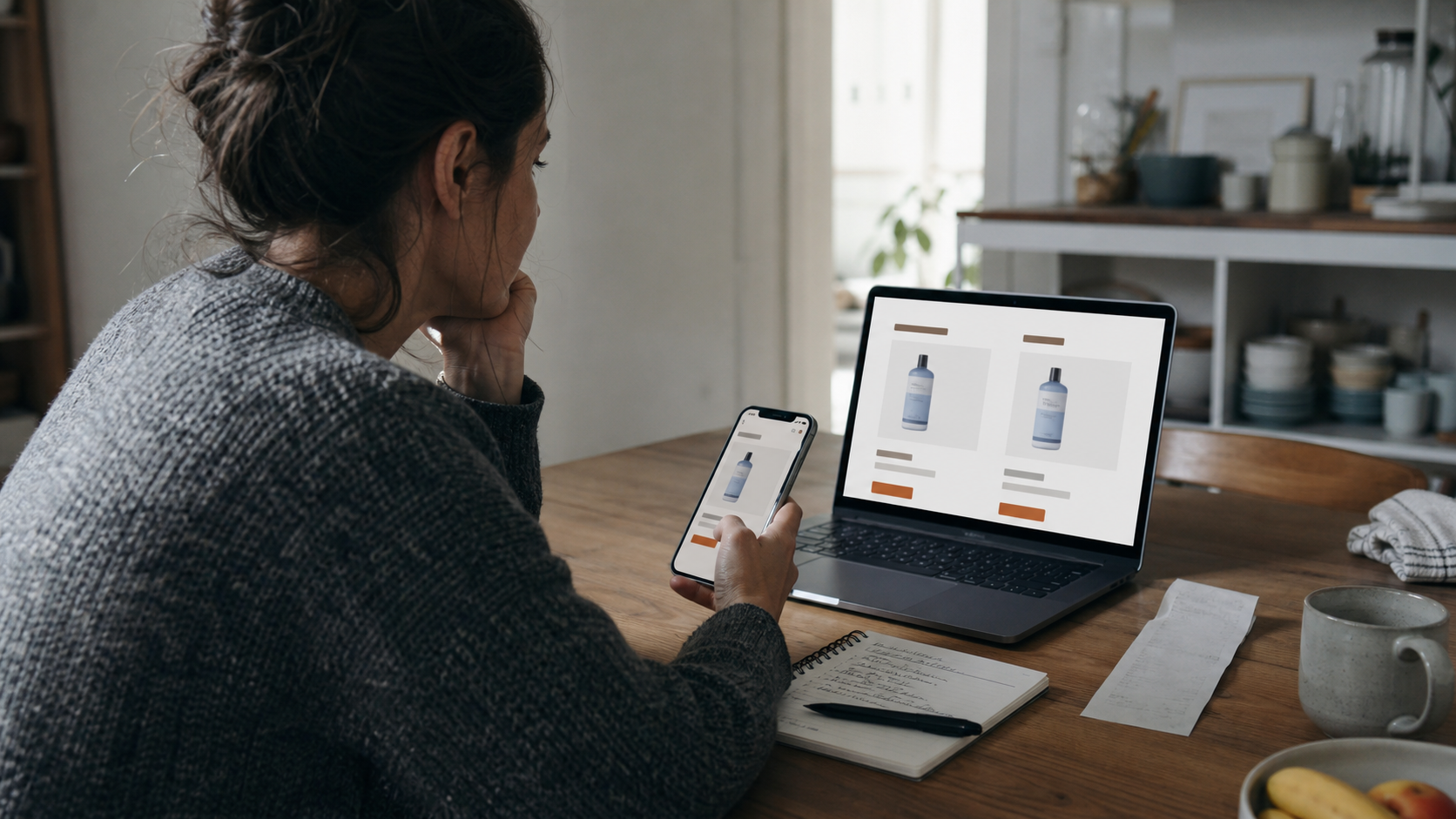
Why surveillance pricing is back in the news
On August 19, 2026, the Federal Trade Commission proposed a policy that would require businesses to clearly disclose when they personalize prices and identify the types of consumer data involved. Associated Press reported that undisclosed personalized pricing could be treated as unfair or deceptive under the FTC Act if the proposal is adopted.
The proposal focuses on transparency rather than declaring every form of individualized pricing unlawful. Consumer advocates welcomed the scrutiny while warning that disclosures can still be buried or hard to use at the moment a shopper must decide.
Proposal does not mean final rule
The August action is a proposed enforcement policy. Businesses, advocates and the public may shape what follows. Treat headlines saying surveillance pricing has been universally banned as inaccurate.
What surveillance pricing actually means
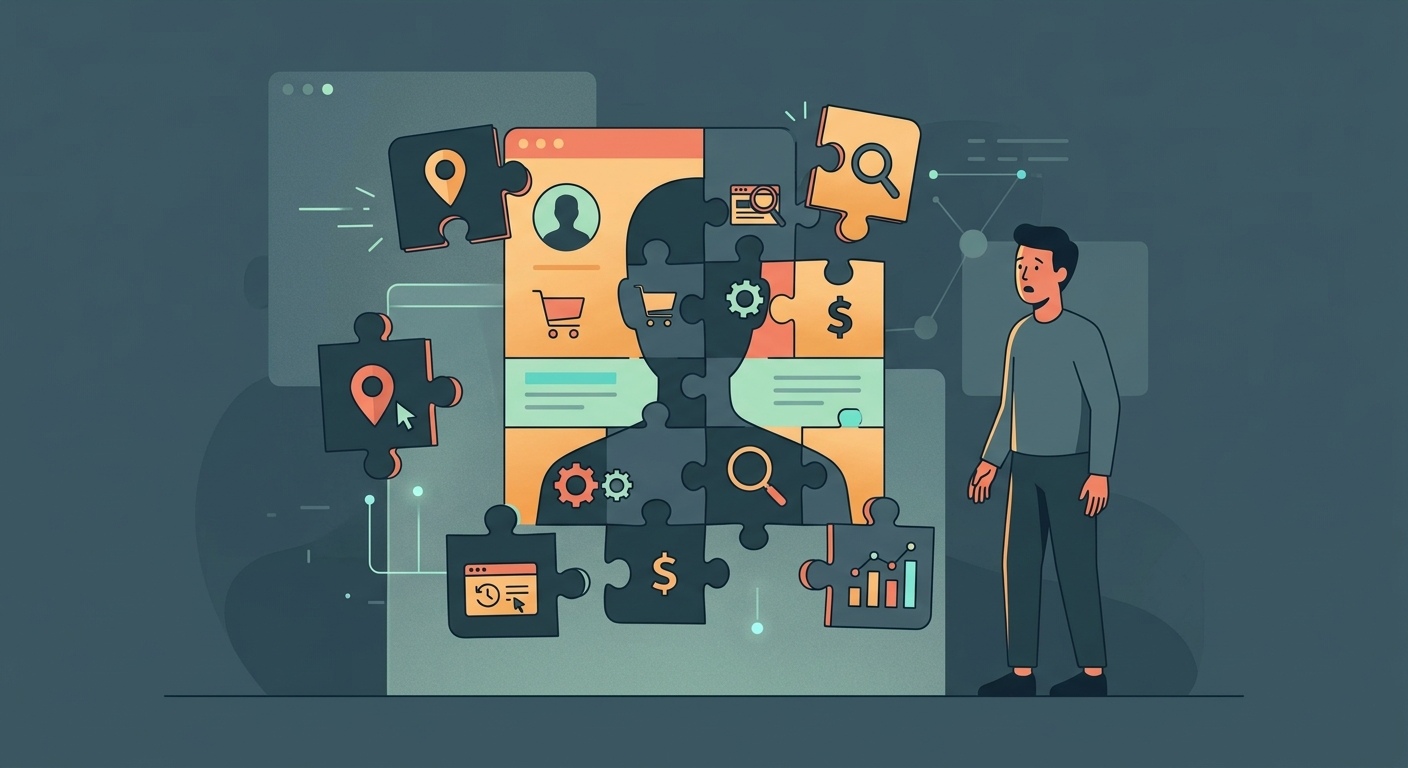
Surveillance pricing—also called personalized or targeted pricing—uses information associated with a person, device or audience segment to influence a price or promotion. The FTC's initial market study found that pricing intermediaries could use precise location, demographics, browsing patterns, shopping history and page behavior.
That can affect more than the large number beside a product. A system may choose which promotion you receive, place expensive options first, decide whether to offer a coupon or infer how urgently you need an item. The result may feel like ordinary personalization even when the commercial goal is to estimate willingness to pay.
Surveillance pricing versus dynamic pricing
| Pricing method | Typical input | Core question |
|---|---|---|
| Dynamic pricing | Demand, inventory, time or market conditions | Did the price change for a broad group? |
| Segmented pricing | Membership, student status, region or customer group | Is the rule visible and consistently applied? |
| Surveillance pricing | Behavioral or personal data tied to an individual or inferred segment | Did profiling influence what this shopper sees? |
The categories can overlap. A fare may respond to demand and still be presented differently based on profile data. A lower loyalty price may be a clear benefit while also creating a detailed purchase history. That is why evidence matters more than assuming every price change proves profiling.
What data can influence the offer
The FTC's research described a wide input set: location, browsing history, purchase records, demographics, device or channel, time of purchase, cart abandonment and mouse behavior. A retailer may collect some of this directly; other signals can arrive through advertising technology, loyalty programs or specialist pricing vendors.
- Location and IP address: can suggest region, travel status or local purchasing power.
- Cookies and account history: connect searches, past purchases, returns and response to earlier discounts.
- Cart behavior: can reveal urgency, hesitation and which products you repeatedly revisit.
- Device and channel: can distinguish app, mobile web, desktop and referral sources.
- Brokered or inferred data: can place people into demographic, household or interest segments without a shopper directly supplying the label.
None of these signals proves a higher price was charged. They show why two screenshots alone are not a complete audit: taxes, inventory, membership, delivery address and test groups can also create legitimate differences.
How to compare prices without fooling yourself
- Match the exact item. Compare the same SKU, size, seller, condition and cancellation terms.
- Include the total. Check taxes, service fees, shipping and delivery speed—not only the headline price.
- Compare close in time. Inventory and demand can move quickly, especially for travel.
- Use a clean comparison. Open a private browsing window while logged out, then compare with your normal session.
- Try another seller. A competing retailer provides a more useful benchmark than repeatedly refreshing one page.
- Save evidence. Record time, product details, account state and screenshots if a difference persists.
A private window limits locally stored cookies for that session, but it does not make you anonymous. The site can still receive an IP address, browser and device signals. Likewise, changing your IP can alter location-related inputs without proving that a different offer is the fair or generally available price.
Compare to understand, not to manufacture a result
Changing five variables at once—account, device, location, time and retailer—may produce a different number but tells you little about why. Change one condition at a time and record it.
Where Free VPN US helps—and where it stops
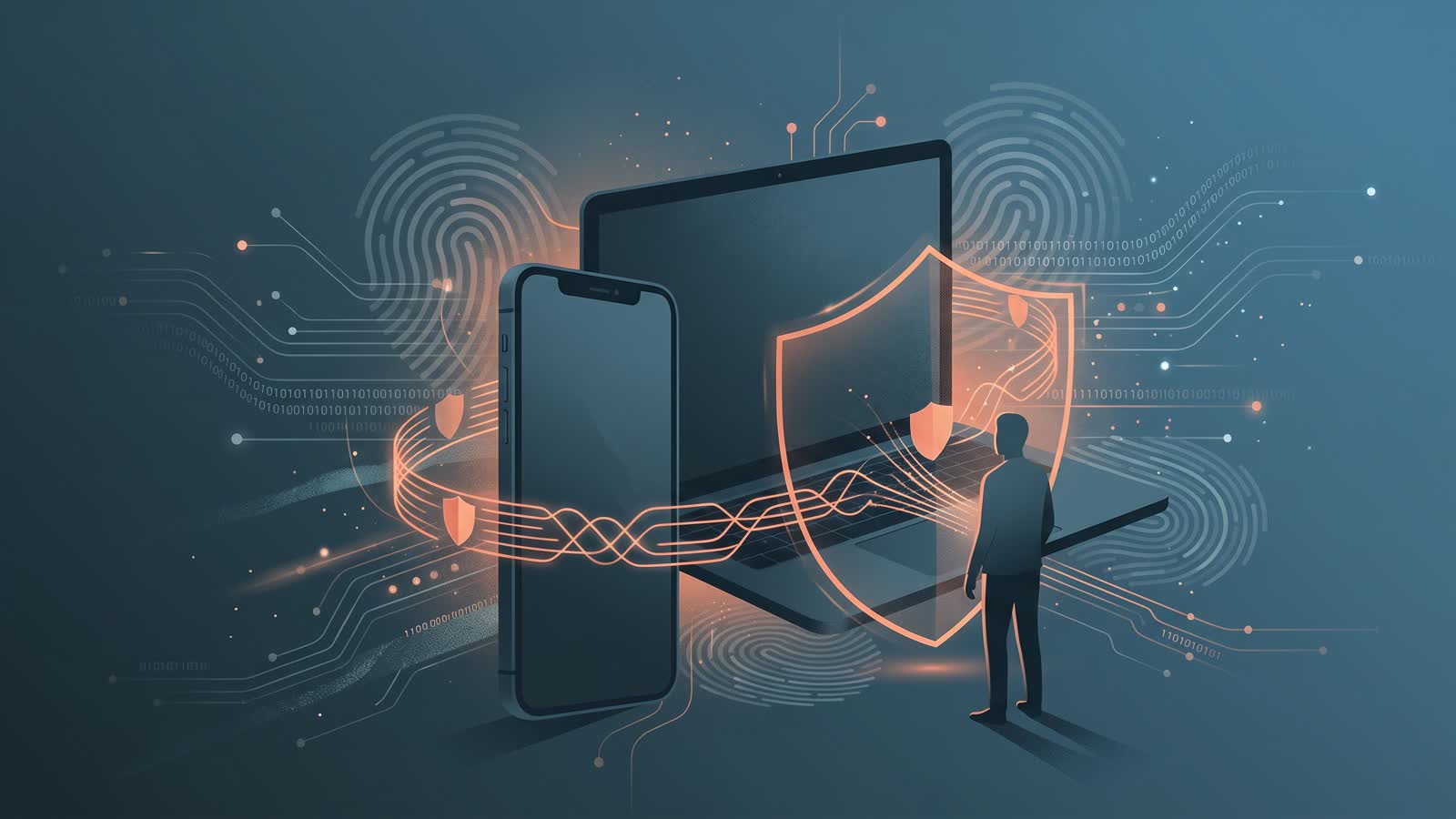
Free VPN US encrypts supported traffic between your iPhone or Mac and the VPN server. It also replaces the public IP websites ordinarily see with the VPN server's IP. That can reduce exposure of your home or hotspot IP and make IP-based location less precise.
It cannot delete retailer cookies, reset an app's advertising identifier, clear a loyalty profile, remove purchase history or stop a logged-in store from recognizing your account. It also cannot guarantee a lower or different price. For a cleaner comparison, combine the VPN with a private browser session, log out of shopping accounts, deny unnecessary location access and compare against another seller.
| Tool or action | Reduces | Does not erase |
|---|---|---|
| Free VPN US | Local network visibility and direct IP exposure | Cookies, account records, device IDs or broker profiles |
| Private browsing | Reuse of ordinary cookies in that temporary session | IP address, server logs or fingerprinting signals |
| Logged-out comparison | Direct use of account purchase history | Other device, network or session signals |
| Another retailer | Dependence on one seller's pricing system | Market-wide demand or shared data ecosystems |
A practical privacy checklist before you buy
- Turn off precise location for shopping apps that do not need it.
- Review app tracking permissions and avoid signing into loyalty accounts merely to browse.
- Reject optional advertising cookies where the site offers a clear choice.
- Compare the final total while logged out and in a private session.
- Use Free VPN US on public Wi-Fi and when you want to reduce direct IP exposure.
- Check another retailer and avoid letting an urgency timer make the decision.
- Report persistent, unexplained personalized price differences to the retailer and your consumer-protection authority.
Privacy hygiene will not eliminate algorithmic pricing, but it can reduce some inputs, make comparisons cleaner and give you better evidence when a difference deserves scrutiny.
Surveillance pricing FAQ
What is surveillance pricing?
Surveillance pricing uses personal, behavioral or inferred data associated with a shopper or segment to influence the price, promotion or product order shown to that shopper.
Is surveillance pricing the same as dynamic pricing?
No. Dynamic pricing usually changes based on demand, inventory or time for a broad market. Surveillance pricing relies on data tied to a person, device or inferred audience segment. A system can use both approaches at once.
How can I check whether a price is personalized?
Compare the exact same product, seller, fees and delivery terms close in time. Test a logged-out private session against your normal session, change one condition at a time and save screenshots if a difference persists.
Can a VPN stop surveillance pricing?
Not by itself. A VPN can reduce direct IP and network-location exposure, but it cannot erase cookies, account history, device identifiers, loyalty data or profiles already held by retailers and brokers.
Does using a VPN guarantee a lower online price?
No. Prices can change for many reasons, and a VPN does not guarantee a lower, fairer or generally available offer.
Related privacy guides
Reduce direct IP exposure while you compare
Free VPN US encrypts supported traffic and changes the public IP websites see on iPhone and Mac. Pair it with a private browser session and logged-out comparisons—because a VPN alone does not erase the rest of your shopping profile.
- Encrypted supported traffic
- Public IP privacy
- iPhone and Mac apps