
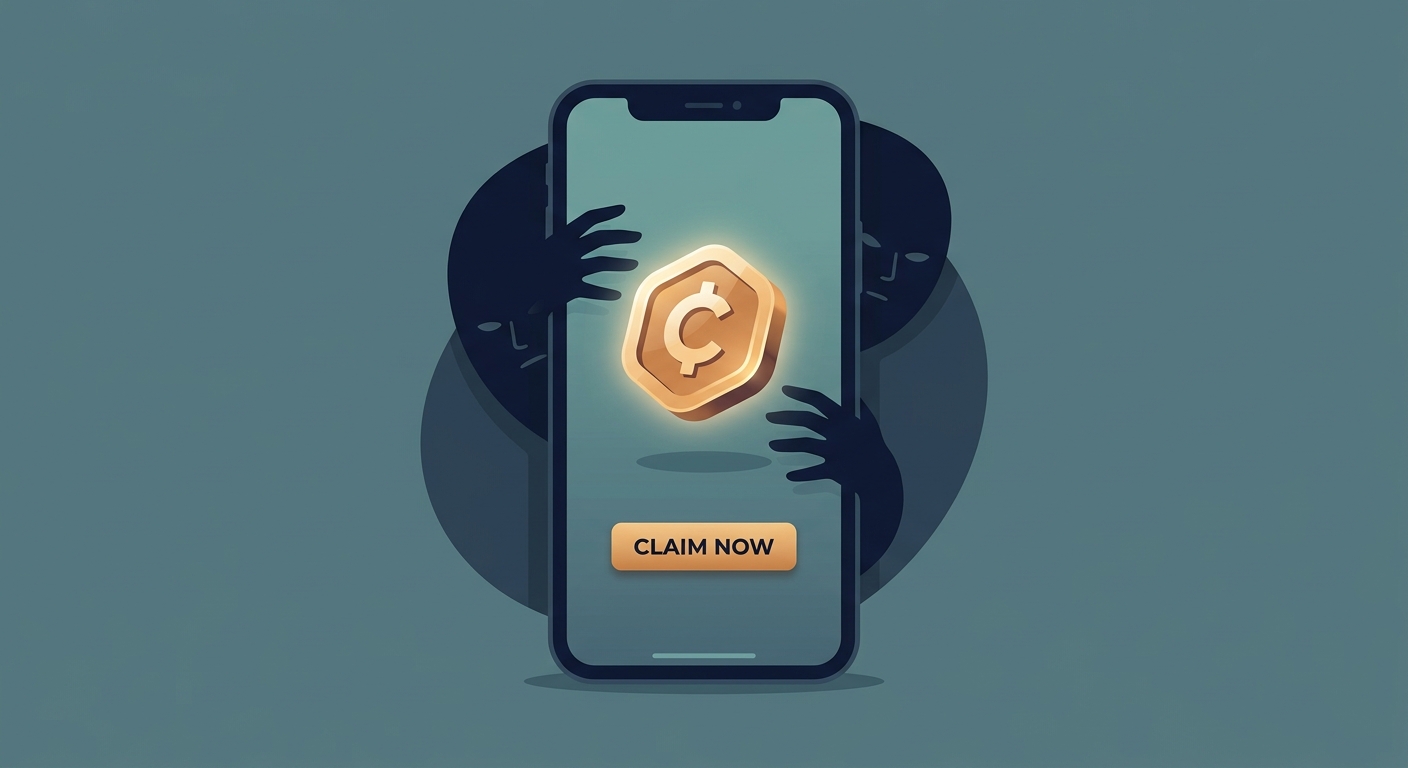
The Evolution of Fake Giveaway Tactics
In 2026, fake crypto giveaway scams have become more sophisticated. Scammers no longer just post plain text; they use AI-generated deepfakes of industry leaders, hijacked verified accounts, and thousands of automated bots to create a false sense of legitimacy and massive community engagement.
The goal remains the same: to get you to click a link that either steals your wallet credentials or tricks you into signing a malicious smart contract.
Editor's Warning
Scammers often target users who interact with official crypto accounts. If you follow a major exchange or influencer, be extra cautious about "surprise" DMs or mentions.
1. The "Send Crypto to Receive Crypto" Trap
This is the oldest trick in the book. A post claims that if you send 0.1 BTC to a specific address, you'll receive 0.2 BTC back as part of a promotion. Legitimate companies never ask for money to give away money.
Why this works on users:
- The promise of a 2x return is psychologically hard to ignore.
- The use of official-looking "verification" language.
- The small initial amount requested makes it feel like a low-risk gamble.
2. Malicious and Misspelled URLs
Look closely at the link. Scammers use "homoglyphs" (characters that look identical) to mimic official sites. For example, replacing a lowercase "L" with a capital "I" or using a ".net" instead of ".com".
Red flags in links:
- Shortened URLs (bit.ly, t.co) that hide the final destination.
- Domains registered very recently (check with a Whois search).
- Sites that trigger browser security warnings about phishing.
How Free VPN US Adds a Layer of Safety
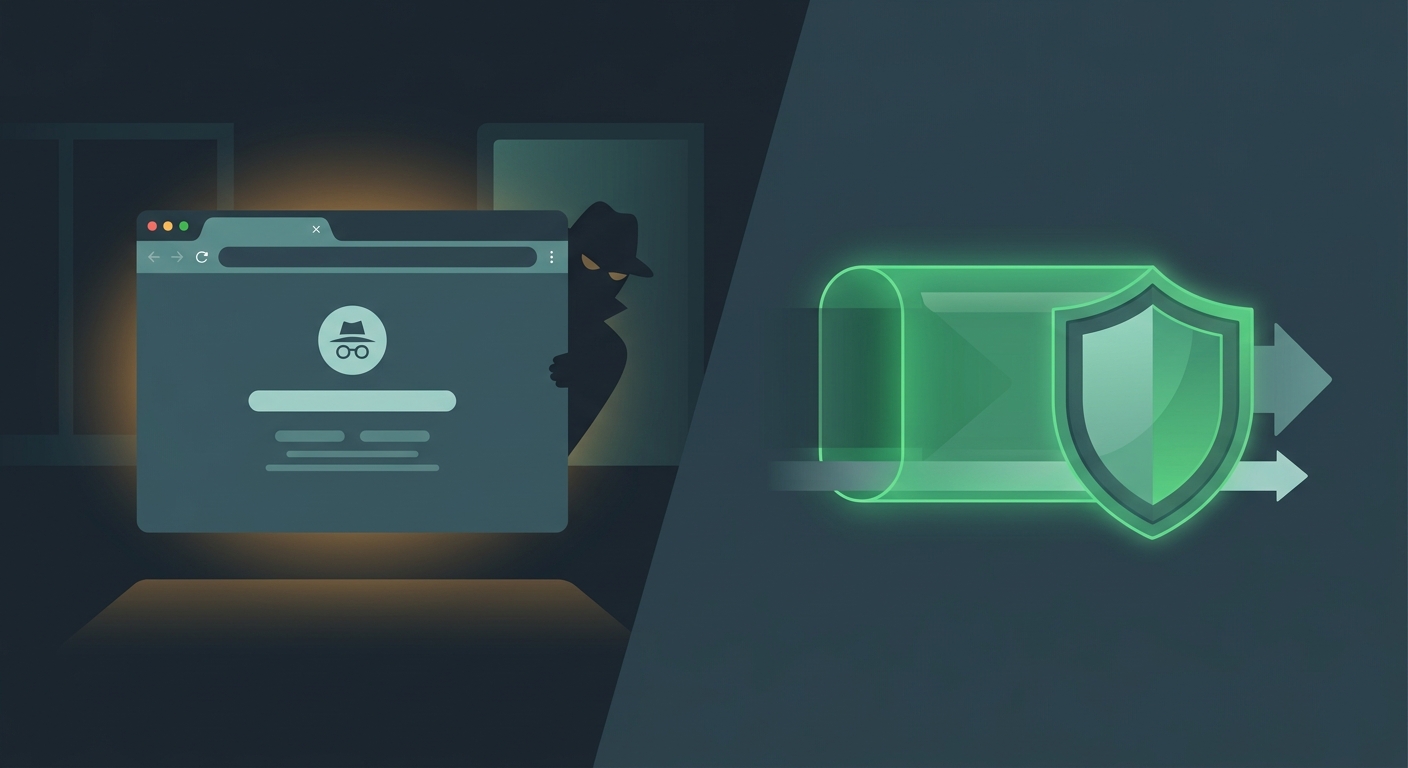
Free VPN US is not a magic anti-scam button, and it will not save funds after you approve a malicious wallet transaction. Its role is different: it reduces the amount of network and location data scammers can collect while you browse social media, open links, compare official sources, and manage exchange accounts on public Wi-Fi.
That matters because modern phishing is increasingly personalized. A scammer who can see your IP region, network, device hints, and repeated browsing patterns can tailor fake pages, local-language pressure tactics, and cloned login prompts. Free VPN US encrypts traffic on shared networks and masks your visible IP so those signals are harder to collect.
- Use Free VPN US before opening crypto links on public Wi-Fi: airports, cafes, campuses, hotels, and coworking spaces are common places for traffic snooping.
- Keep your wallet activity separate: use a clean browser session, verify official URLs manually, and avoid connecting your main wallet to giveaway pages.
- Switch regions if a page behaves suspiciously: fake sites sometimes change content by location. A VPN route can help you compare what the page is showing.
- Pair VPN protection with wallet hygiene: hardware keys, app-based 2FA, withdrawal allowlists, and a separate burner wallet matter more than any single tool.
Security Insight
Free VPN US protects the connection layer: it helps hide your IP address, secure public Wi-Fi sessions, and reduce tracking. You still need to verify URLs, reject seed phrase requests, and avoid signing unknown wallet permissions.
3. The Bot-Powered Comment Section
If you see a post with 500 comments that all say "It worked for me!" or "Just received my ETH!", it is almost certainly a bot farm. Real social media engagement is messy, varied, and includes questions or skepticism.
| Feature | Legitimate Giveaway | Fake Scam Giveaway |
|---|---|---|
| Entry Method | Likes, retweets, or email signup. | Requests wallet connection or deposits. |
| Account Age | Established, years of history. | New or recently "rebranded" account. |
| The Link | Points to official company blog. | Points to a standalone, generic page. |
| The Prize | Reasonable amounts (e.g., $100). | Massive, life-changing sums. |
4. Wallet Connection Requests and Fake Claim Buttons
The most dangerous giveaway pages no longer ask for a seed phrase right away. Instead, they ask you to connect a wallet and press a harmless-looking "claim" or "verify eligibility" button. The transaction prompt may grant token approvals, sign a malicious permit, or interact with a smart contract designed to drain funds later.
Before connecting any wallet, ask three questions: is this link from the official domain, is the transaction readable, and would a real giveaway need spending permissions? If the answer is unclear, close the tab.
How to Stay Protected
- Verify the Source: Only trust giveaways announced on the official website of the project, not replies, quote posts, DMs, or ads.
- Never Share Your Seed Phrase: Your 12 or 24-word recovery phrase is for wallet recovery only. No giveaway, exchange, support agent, or airdrop needs it.
- Use Free VPN US on Shared Networks: Turn it on before browsing crypto links from public Wi-Fi so local snoopers cannot profile your activity or capture unencrypted metadata.
- Separate Wallets by Risk: Keep long-term holdings in a cold or main wallet and use a small burner wallet for testing new apps.
- Review Token Approvals: Revoke old or unlimited approvals and avoid signing transactions you do not understand.
- Enable Strong MFA: Protect exchange accounts with app-based 2FA or hardware keys, not SMS-only verification.
Digital safety is layered. Free VPN US protects the network path, your browser and wallet settings protect the device path, and careful verification protects the decision point.
Frequently Asked Questions
Why are fake crypto giveaways so common on social media?
Scammers use bots to reach thousands of users instantly, preying on FOMO (Fear Of Missing Out) and the high value of crypto assets with minimal risk of immediate detection.
What happens if I click a link in a fake crypto giveaway?
You are typically directed to a phishing site designed to steal your private keys, wallet seed phrase, or personal data. Some sites may even trigger malicious downloads.
Can a VPN protect me from crypto giveaway scams?
Free VPN US protects the network layer by encrypting your connection on public Wi-Fi and masking your visible IP address. It cannot detect every fake giveaway or reverse a malicious wallet signature, so use it alongside URL checks, 2FA, burner wallets, and strict seed phrase discipline.
What should I do if I already entered my info into a scam site?
Immediately move any remaining funds to a new, secure wallet. Change passwords for associated accounts and enable hardware-based Two-Factor Authentication (2FA) if possible.
Deep Dive into Security
Understand more about how scammers operate and how to build a stronger digital defense.
Related Reading
Use Free VPN US Before Opening Risky Links
Encrypt public Wi-Fi traffic, mask your visible IP address, and reduce the tracking signals scammers use to personalize phishing pages. Built for quick protection on iPhone, iPad, and Mac.
- Encrypted public Wi-Fi
- IP masking
- Fast region switching